
Painting & exteriors
Stain or Paint for Exterior Wood? A Homeowner's Decision Guide
Compare exterior wood stain and paint by existing finish, grain visibility, surface use, preparation scope, sample approval, and future maintenance.
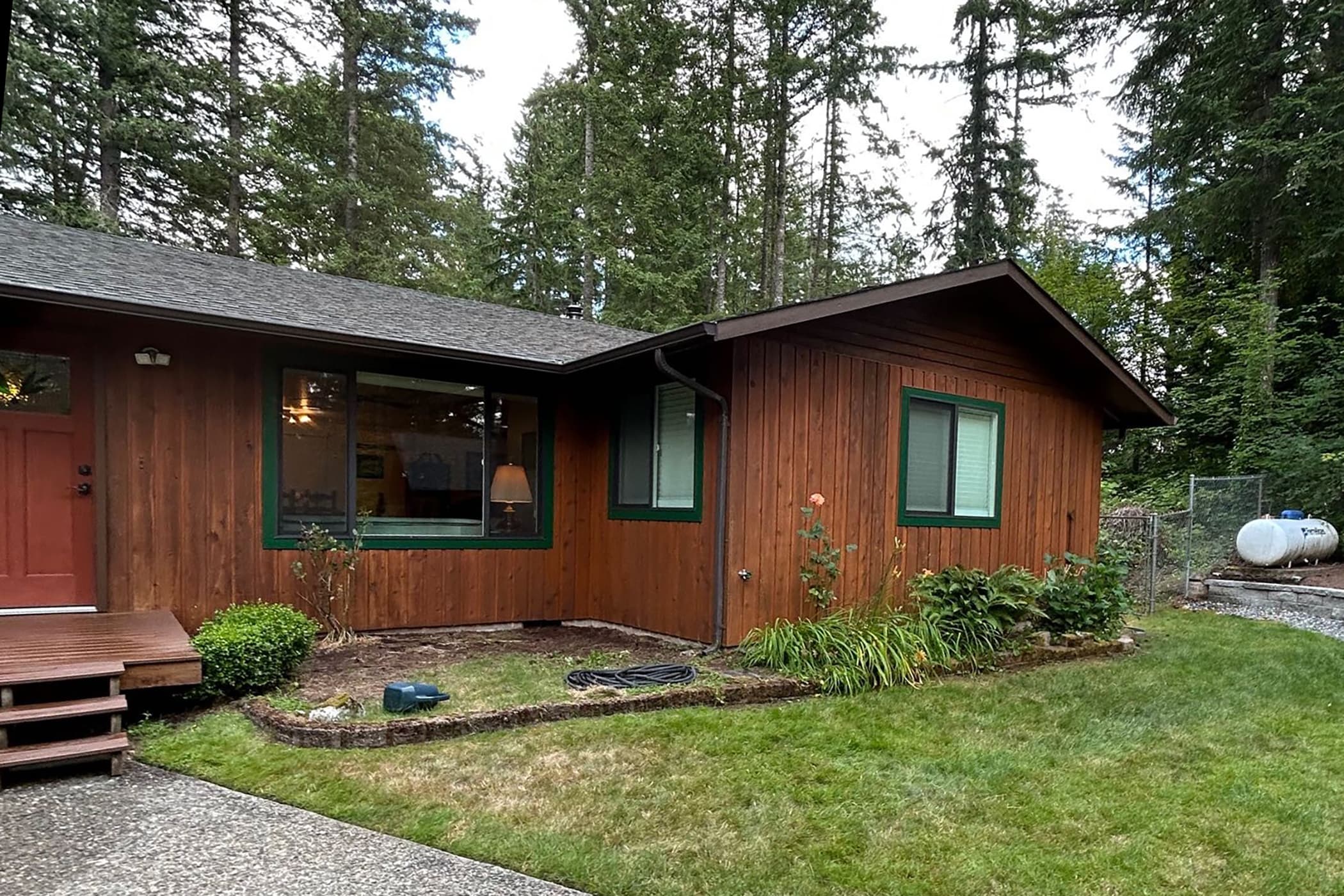
Begin with the wood you have
Choosing between stain and paint is easier when you start with the existing exterior rather than a sample card. What is on the wood now? How much of the grain can you see? Are you keeping all the boards, replacing a few, or refinishing a larger area? Photograph those conditions and collect any leftover containers or records from the previous finish.
For homeowners in King and Pierce Counties, this is a useful way to prepare for an exterior estimate. Your preferred appearance matters, but the contractor also needs to identify a compatible preparation and coating approach. Describe the result you want, then ask what work would be required to achieve it on this particular house.
Decide how much grain should remain visible
Stain is not one appearance. Benjamin Moore describes a range of stain opacities, from finishes that reveal more natural grain to solid finishes that provide much greater coverage. Ask to see the relevant opacity as well as the color. Two samples carrying a similar color name can create very different impressions when one reveals the underlying wood and the other conceals it.
Collect a few reference photos and explain what you like about them. Is it the wood pattern, the warmth of the color, or the quiet, uniform wall? This helps distinguish a desire for a natural wood appearance from a desire for a brown finish. Avoid choosing a product category before you have clarified that visual goal.
Make the previous coating part of the estimate
Do not assume that choosing a more transparent finish is a simple color change. Ask the contractor whether the existing coating must be removed, what the proposed preparation can realistically reveal, and whether a trial area is needed. The estimate should distinguish maintaining a compatible existing finish from changing to a substantially different appearance.
Discuss replacement boards at the same time. Ask to see how the proposed finish looks on both retained and new material before approving the entire project. Decide whether some variation is welcome or whether you are aiming for a more uniform result. Put that expectation in the selection notes so everyone is assessing the same outcome during the sample review.
Separate siding, trim, and walking surfaces
A wood wall, a railing, and a deck floor have different uses. Do not extend a product choice from one to another simply because they are all outdoors. Ask the project team to verify the manufacturer's approved surfaces and application instructions for each part of the project. Name the actual product in the proposal rather than relying on the general term exterior finish.
Create a small schedule that lists siding, trim, doors, rails, steps, and decking where applicable. Beside each item, record whether it is included, the intended appearance, and the proposed finish. This is especially useful when the project combines painting and staining. It prevents a single color conversation from becoming an accidental instruction for every wood surface on the property.
Compare preparation and future care together
Ask each bidder to describe cleaning, removal of unsound coating, repairs, and any required primer or preparation products. Sherwin-Williams' exterior preparation guidance reinforces that the condition of the surface matters before a finish is applied. For older homes, raise the age of existing paint before any disturbance and ask the contractor to identify applicable lead-safe requirements.
Then request maintenance instructions for the exact finish being considered. Ask what changes you should watch for, how routine cleaning should be handled, and what a future refresh would involve. Avoid comparing options through unsupported promises that one will last a fixed number of years. A meaningful comparison includes your willingness to maintain the chosen appearance and the actual care directions supplied with the product.
Approve a representative sample and keep the record
Ask for a sample process that represents the proposed preparation, substrate, and finish. View it alongside the roof, masonry, windows, and landscaping that will remain. Check whether it still achieves your goal from the sidewalk as well as up close. Agree on who gives final approval and record the product, color, opacity or sheen, and surfaces covered by that decision.
Bring your existing finish information and preferred reference photos to a free estimate with Tubro Construction. Ask for an explanation of the tradeoffs between preserving visible grain, achieving uniform coverage, and changing the current finish. The right decision is the one supported by a clear scope and an appearance you have actually reviewed, with care expectations that fit your household.
Sources & further reading
Consult the relevant authority for requirements specific to your property and project.
- Benjamin Moore: Choosing a wood stain and opacity
- Sherwin-Williams: Exterior surface preparation
- EPA: Lead-safe renovation planning
Bring your ideas. We’ll talk through the next step.
Tell us about your home, your project city, and what you would like to change.
Request a Free Estimate