
Painting & exteriors
Exterior Painting Preparation: What to Settle Before Color
Prepare for an exterior repaint with a clear repair scope, surface assessment, color samples, access plan, and questions for your painting estimate.
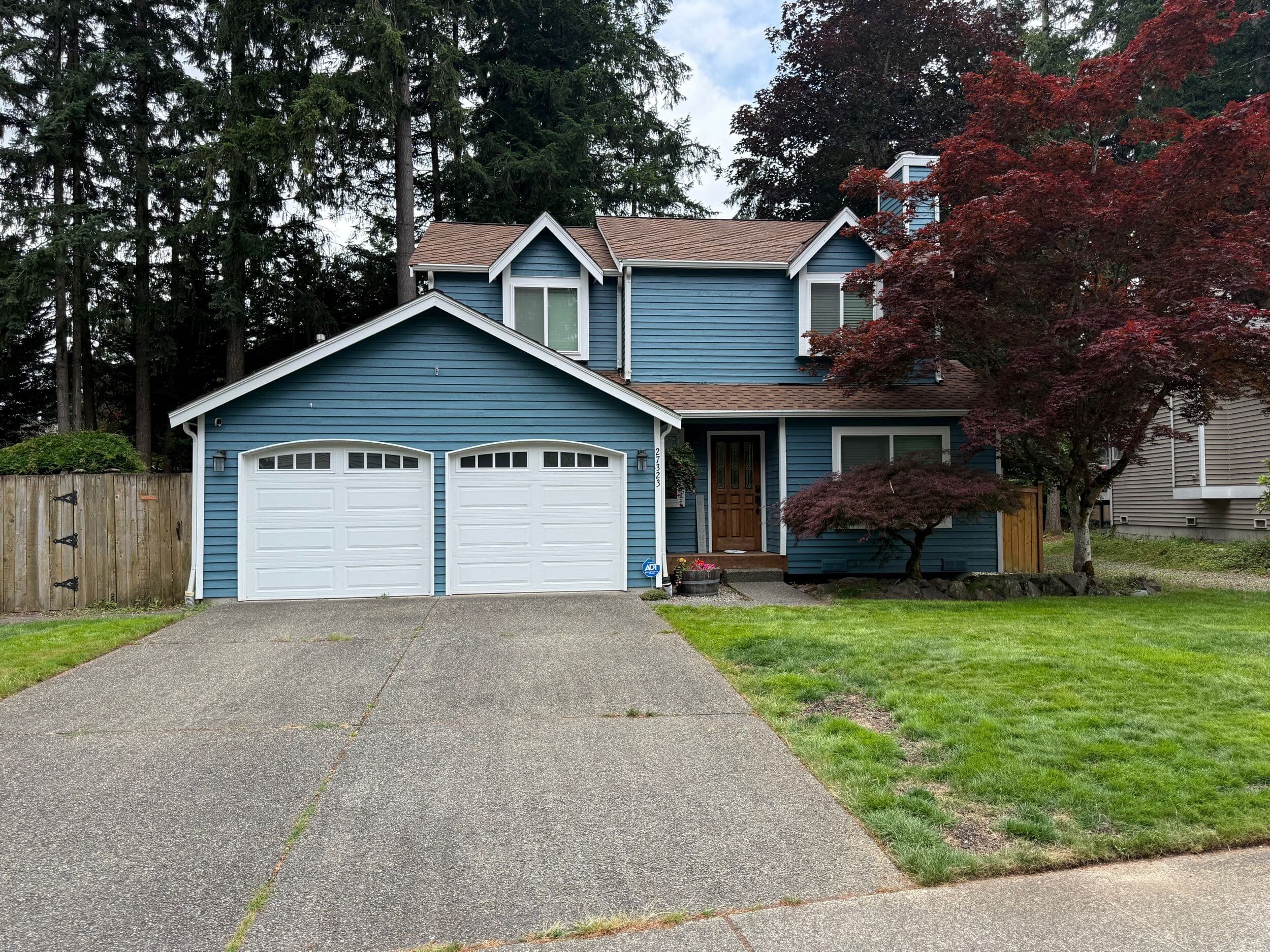
Walk around the house before opening a color fan
An exterior repaint starts with a useful observation: different parts of the same house may need different work. The sheltered entry, exposed chimney trim, and wall behind a dense shrub should not automatically receive an identical preparation allowance. Before requesting an estimate, take photographs of each elevation and note what concerns you. Stay on the ground; this is a planning walk, not an inspection at height.
For a homeowner in King or Pierce County, the best starting brief describes both appearance and condition. Perhaps you want a lighter color, but you have also noticed repeated peeling beneath a window. Keep those items separate. One is a finish preference; the other needs investigation before a new coating can be treated as the answer.
Ask for a surface-by-surface scope
List siding, trim, doors, fascia, porch details, garage doors, and any detached structures you want included. Name the surfaces that should remain untouched, too. A proposal described simply as exterior painting can leave room for different assumptions about the underside of eaves, door edges, or an outbuilding behind the house.
Ask the estimator to distinguish preparation, repairs, priming, and finish application. Sherwin-Williams' preparation guidance emphasizes a clean, dry, sound surface and treats loose coating and surface contamination as preparation concerns. The practical question for your estimate is what those requirements mean on your particular walls. Request an explanation of the proposed cleaning and preparation methods rather than choosing the bid with the shortest description.
Resolve repairs before they become paint decisions
Point out swollen trim, open joints, staining, or places that repeatedly lose their finish. Ask who will evaluate questionable material and whether the estimate includes replacement work or only painting. Do not assume a thick coating or fresh caulk will resolve an underlying problem. Sherwin-Williams identifies moisture as one possible cause of exterior peeling, which is a reason to discuss the cause of recurring failure.
Agree on a simple discovery process: the contractor documents a condition, explains proposed work, and receives approval before adding it to the project. Identify who can approve changes while you are away. This makes it easier to respond to something revealed during preparation without turning every decision into an urgent phone call.
Discuss older paint before any disturbance
If your home was built before 1978, bring that information to the first conversation. EPA recommends hiring a lead-safe certified contractor for renovation projects that may disturb paint in these homes. Ask how the existing coating will be assessed and which lead-safe practices apply before anyone sands or scrapes it.
Gather any inspection reports or previous testing you already have. Let the contractor review them instead of assuming that a newer visible coat establishes the age or composition of the layers beneath. Your preparation checklist should focus on the home's history and a qualified assessment, not on attempting an informal test or removing a sample yourself.
Make color approval a separate milestone
Prepare a short finish schedule with the body color, trim color, accent color, and intended sheen for each surface. Use actual product and color names. A note saying warm white trim is useful inspiration, but it is not a purchase instruction. Ask how the proposed system suits the existing substrate and coating.
View approved samples at the house alongside the roof, masonry, and any materials that will remain. Look from the street and from the entry, and consider more than one light condition. If an association reviews exterior colors, resolve that process before materials are ordered. Record the final decision in writing so an old sample does not remain the accidental reference.
Prepare access and a practical handover
Agree on which items you will move and which the crew will protect. Discuss vehicles, outdoor furniture, planters, pet access, gates, and entry doors that the household needs each day. Mention irrigation and planned garden work so they can be coordinated with the painting schedule. Ask where equipment and materials will be kept overnight.
At completion, walk through the agreed scope together. Keep the product names, colors, sheen information, and care instructions with your house records. Bring your elevation photos and repair concerns to a free estimate with Tubro Construction; they give the conversation a concrete starting point and help separate necessary preparation from optional appearance changes.
Sources & further reading
Consult the relevant authority for requirements specific to your property and project.
- Sherwin-Williams: Exterior surface preparation
- Sherwin-Williams: Peeling due to exterior moisture
- EPA: Lead-safe renovations for homeowners
Bring your ideas. We’ll talk through the next step.
Tell us about your home, your project city, and what you would like to change.
Request a Free Estimate