What Actually Drives Remodeling Costs Up
April 1, 2026
What Actually Drives Remodeling Costs Up
Introduction: Why Remodel Budgets Rarely Match First Expectations
When homeowners plan a remodel, the initial budget is often based on visible upgrades—new cabinets, flooring, fixtures, or finishes. What drives remodeling costs up, however, is rarely just what you can see. In Maple Valley, remodeling costs are shaped by construction realities that only become clear once planning and demolition begin.
This article explains the
real, repeatable factors that increase remodeling costs, not generic price inflation or vague “it depends” answers. Understanding these drivers helps homeowners make smarter decisions early, before small choices snowball into major budget shifts.
Remodeling Cost Is Driven by Scope, Not Square Footage
One of the most common misconceptions is that remodel cost is primarily based on home size. In reality, cost is driven by what is being changed and how deeply the work goes.
A smaller home with major layout changes, system upgrades, and custom finishes can cost more than a larger home receiving surface-level updates. Scope defines labor intensity, number of trades involved, permit requirements, and construction time—all of which directly affect price.
Structural and Layout Changes
Structural and layout work is one of the fastest ways to increase remodeling costs because it affects multiple layers of construction at once.
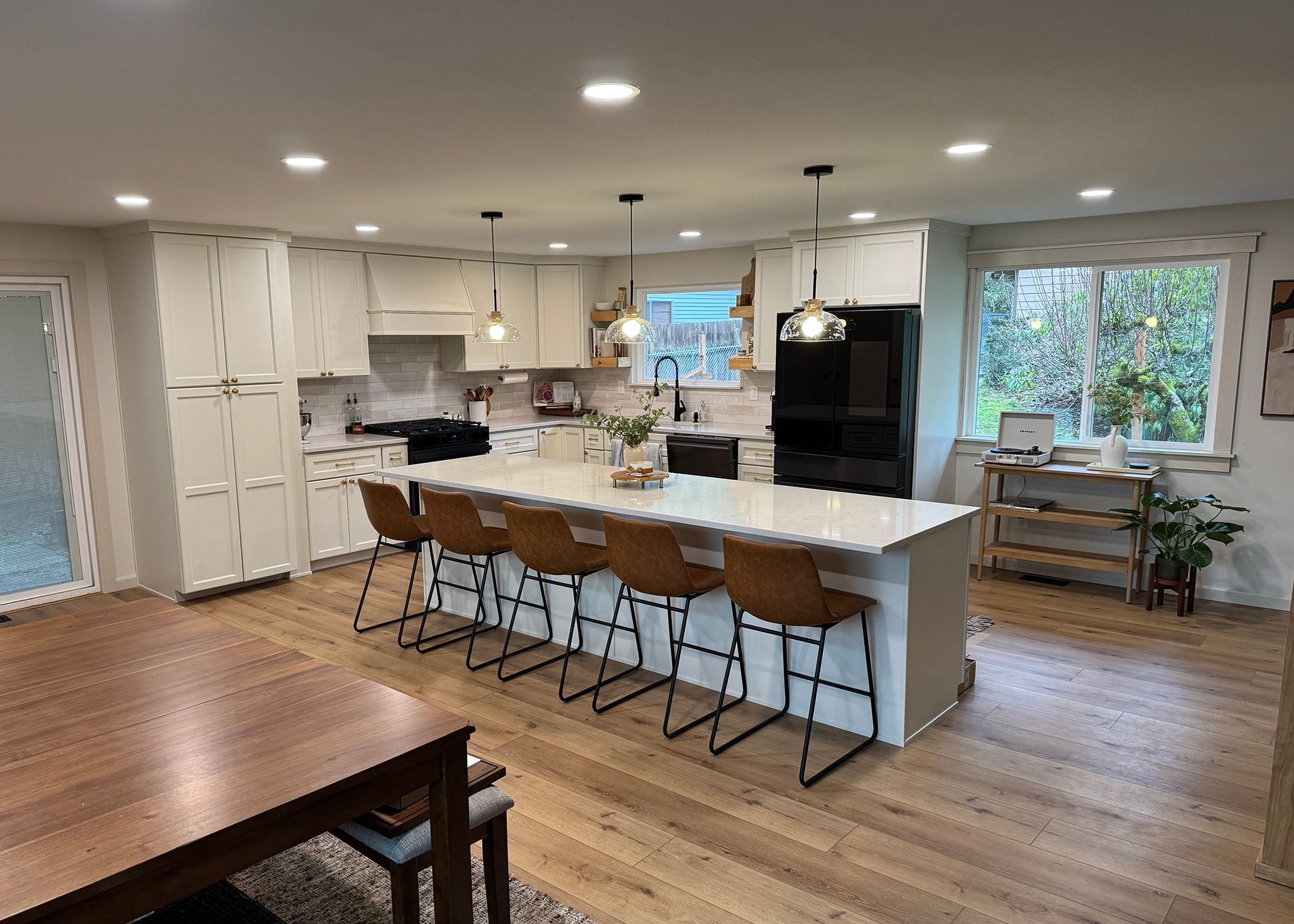
When walls are removed, openings are widened, or rooms are reconfigured, additional steps are triggered. These can include structural analysis, framing modifications, temporary supports, inspections, and follow-up finish restoration. Even changes that appear simple, such as opening a kitchen to a living room, often involve far more labor than expected.
The cost increase is not just the framing itself, but the ripple effect across electrical, plumbing, drywall, flooring, and trim.
Electrical and Plumbing Upgrades
System upgrades are among the most underestimated cost drivers in remodeling projects.
Older homes often lack the electrical capacity or plumbing configuration required for modern layouts and appliances. Once walls are opened, deficiencies become visible, and code requires them to be corrected. Panel upgrades, new circuits, re-piping sections, and fixture relocation add both material and labor costs that were not obvious during initial planning.
These upgrades are not optional once discovered. Safety and compliance dictate the scope, not preference.
Relocating Plumbing and Appliances
Moving fixtures is significantly more expensive than replacing them in place. This is especially true in kitchens and bathrooms.
Relocation affects drain slope, venting, water supply routing, and sometimes structural framing. Even small shifts can require floor or ceiling access, additional demolition, and more extensive inspections. As a result, changing layout logic often pushes a project into a higher cost tier.
Material and Finish Selection
Finish choices influence cost in two ways: material price and labor requirements.
Premium materials often require more time to install, stricter tolerances, or specialized skills. Large-format tile, custom cabinetry, natural stone, and specialty flooring increase labor hours even if the material cost itself seems manageable. In addition, availability and lead times for certain finishes can extend schedules, which indirectly raises labor costs.
Choosing finishes without understanding their installation demands is a common reason budgets creep upward.
Permit and Code Compliance Requirements
Permits themselves are rarely expensive, but what they require can be.
Once a project triggers permitting—through structural, electrical, plumbing, or ventilation changes—work must meet current building codes. That often means upgrading older elements that were previously grandfathered. These upgrades can include safety improvements, spacing corrections, or system changes that were not part of the original design intent.
Code compliance adds cost because it expands scope, not because of paperwork.
Existing Conditions Hidden Behind Walls
One of the most unavoidable cost drivers is the condition of the home itself.
Water damage, mold, outdated wiring, deteriorated plumbing, or framing issues are frequently discovered only after demolition. These conditions must be corrected before new work can continue. While not every home has significant hidden problems, older homes are more likely to reveal them, especially in kitchens, bathrooms, and exterior walls.
These discoveries can add time and cost, but ignoring them compromises safety and durability.
Design Changes During Construction
Late changes are one of the most controllable yet common reasons remodeling costs increase.
When layouts, materials, or fixtures are changed after construction begins, the project often requires rework. Completed work may need to be removed, reordered materials may incur restocking fees, and schedules may need to be adjusted. Even small changes can have a compounding effect once multiple trades are involved.
The later a change occurs, the more expensive it becomes.
Timeline Extensions and Scheduling Impacts
Remodeling costs are tied closely to time.
Longer schedules increase labor costs, site management expenses, and coordination complexity. Delays caused by material backorders, inspection timing, or scope changes can push projects beyond their original timeline. In some cases, extended schedules also affect homeowner expenses such as temporary housing or storage.
Efficient planning reduces cost by reducing time—not by cutting corners.
Decision Guide: How to Control the Biggest Cost Drivers
While not all cost increases can be avoided, many can be managed with informed decisions.
- Limit structural changes to what truly improves function
Structural work should solve real problems, not just aesthetic preferences. - Keep plumbing and electrical locations where possible
Reuse existing infrastructure when layouts allow. - Understand finish installation demands before selecting materials
Ask how material choice affects labor, not just price. - Plan for system upgrades in older homes
Assume some level of electrical or plumbing work will be required. - Finalize design decisions before construction begins
Early clarity prevents expensive mid-project changes.
Frequently Asked Questions About Remodeling Cost Increases
- Why do remodel estimates vary so much between contractors?
Differences often reflect how much risk, system work, and contingency are included—not just labor rates. - Are cost increases a sign of poor planning?
Not always. Some conditions cannot be identified until demolition, especially in older homes. - Do higher-end materials always mean higher total cost?
Not necessarily, but they often increase labor and installation complexity. - Can homeowners reduce costs by managing parts of the project themselves?
This can reduce some expenses but often increases coordination risk and delays if not managed carefully. - Is it possible to remodel without cost increases at all?
Minor increases are common. The goal is control and predictability, not perfection.
Conclusion: Understanding Cost Drivers Is the Real Budget Control
Remodeling costs go up for clear, repeatable reasons: deeper scope, system upgrades, structural changes, and decisions made too late. When homeowners understand these drivers early, budgets become far more predictable—even for complex projects.
Working with a local remodeler like
Tubro Construction helps identify these cost drivers upfront, align scope with budget, and reduce surprises as construction moves forward.