How Long a Home Remodel Really Takes
April 2, 2026
How Long a Home Remodel Really Takes
Introduction: Why Remodel Timelines Feel So Unreliable
If you ask five homeowners how long their remodel took, you’ll likely hear five very different answers. Some projects finish close to schedule, while others stretch on for months longer than expected. In Maple Valley, remodel timelines are shaped less by optimism and more by scope, sequencing, inspections, and decision-making.
This guide explains how long a home remodel really takes, why timelines expand, and how to estimate a realistic schedule based on the type of remodel you’re planning—not best-case scenarios.
Why Remodel Timelines Are Hard to Estimate Upfront
A remodel is not a single task. It is a sequence of dependent steps where one phase cannot start until another is completed and approved. Unlike new construction, remodeling must work around existing structures, systems, and conditions that are not fully visible at the start.
In older homes especially, hidden issues, inspection timing, and material availability play a major role. That’s why timelines are ranges, not guarantees, and why early estimates are refined as scope becomes clearer.
Typical Remodel Timelines by Project Type
The most accurate way to think about timing is to match your project to the level of work involved. Below are realistic timelines based on how much of the home is being remodeled.
Single-Room Remodels
For projects limited to one primary space, such as a kitchen or bathroom, timelines are shorter but still depend on complexity.
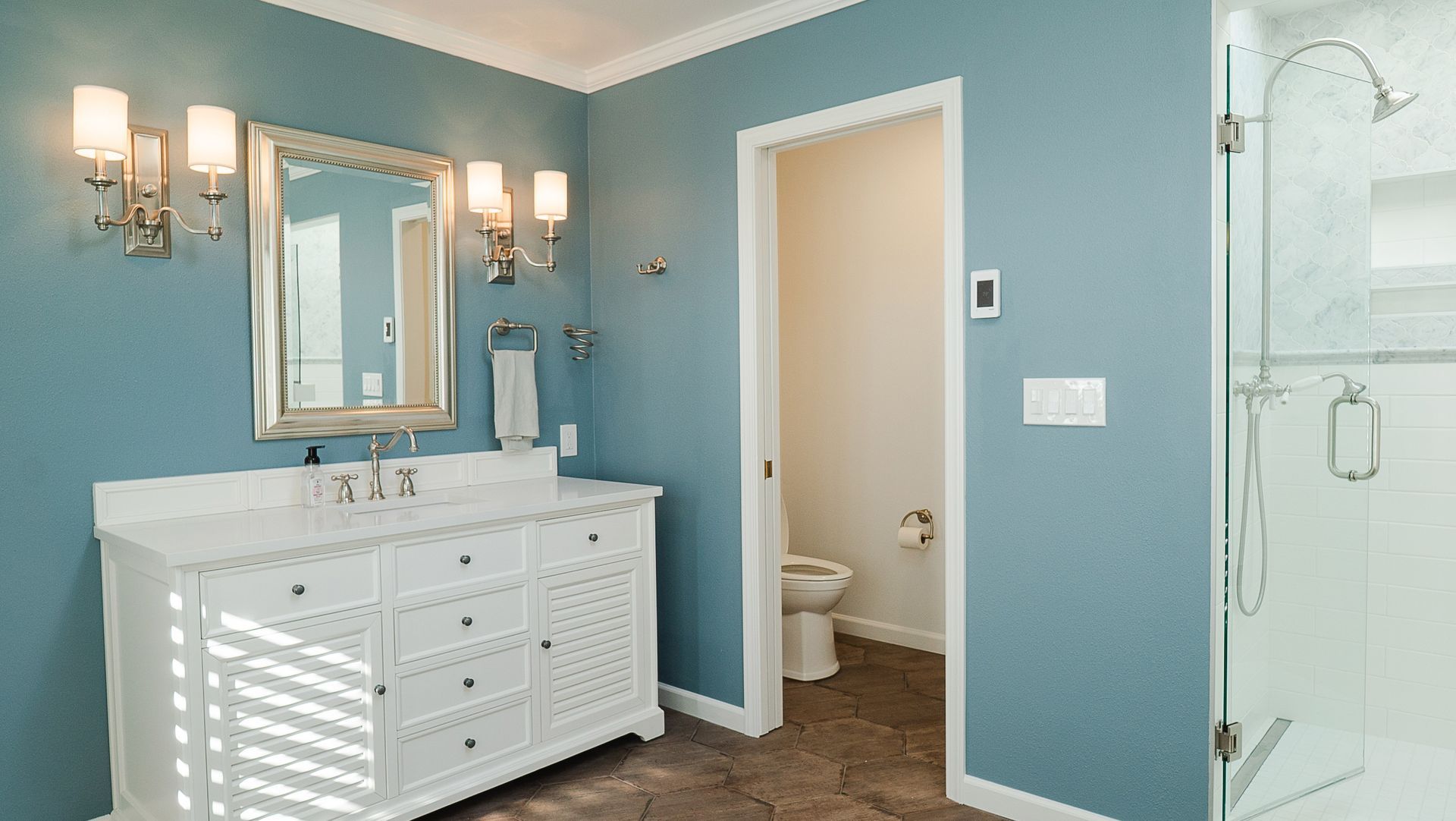
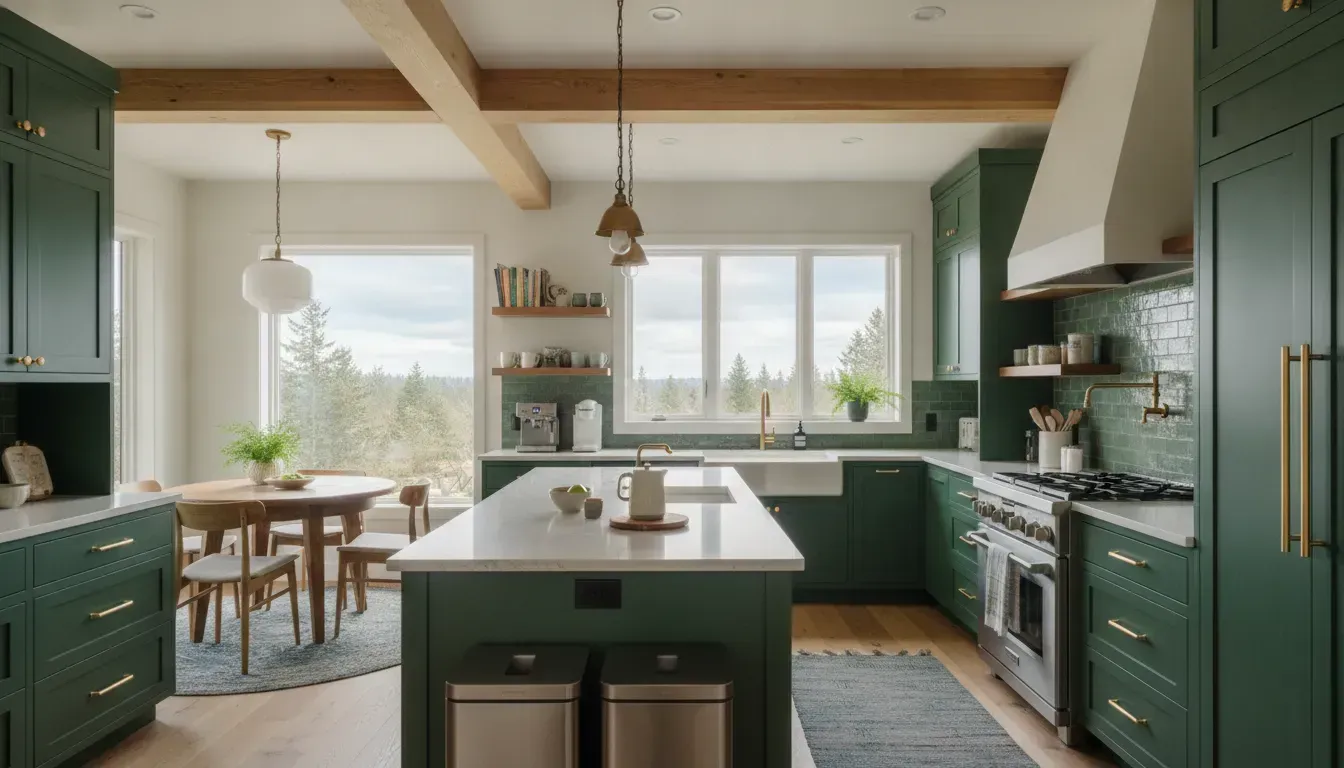
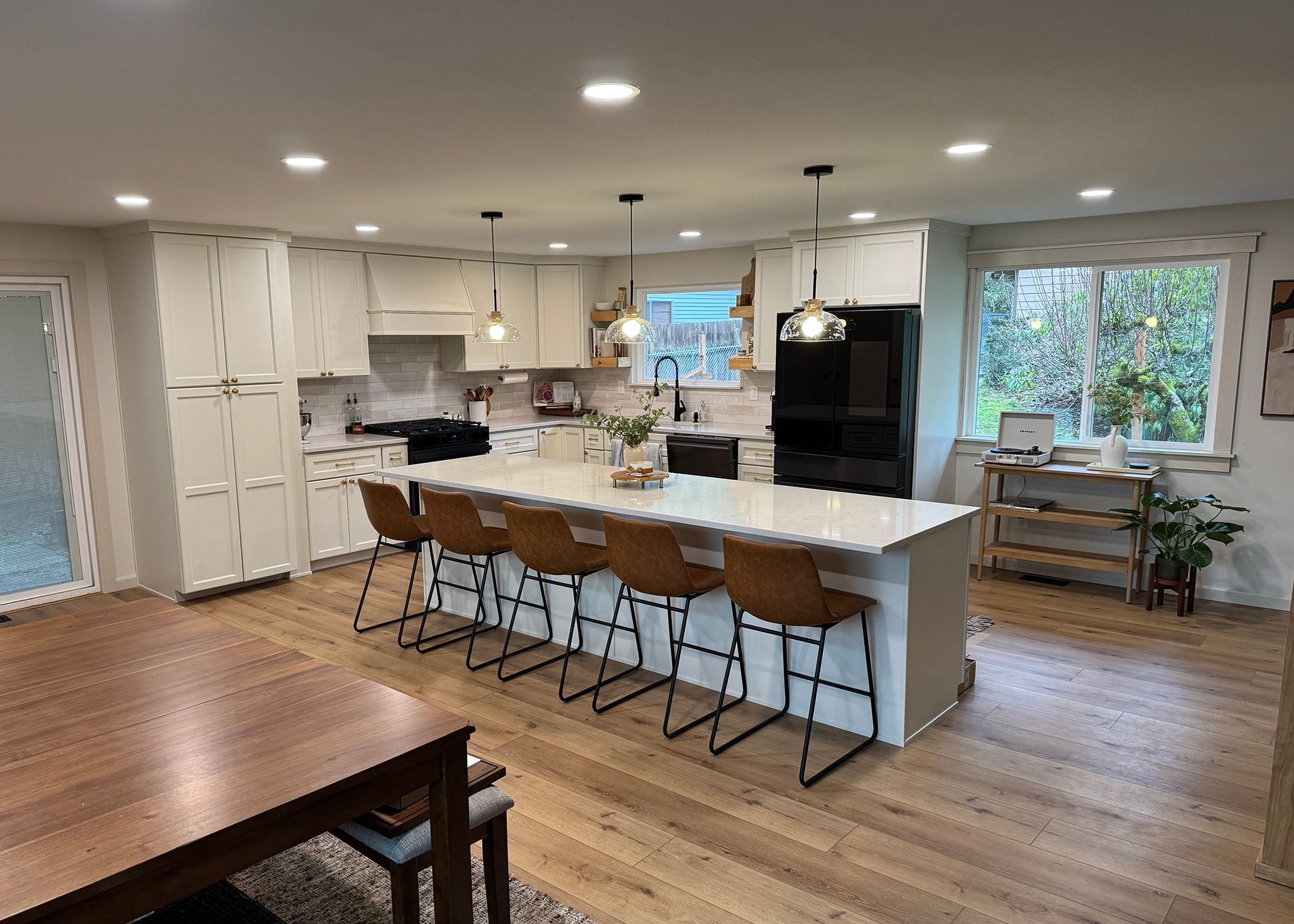
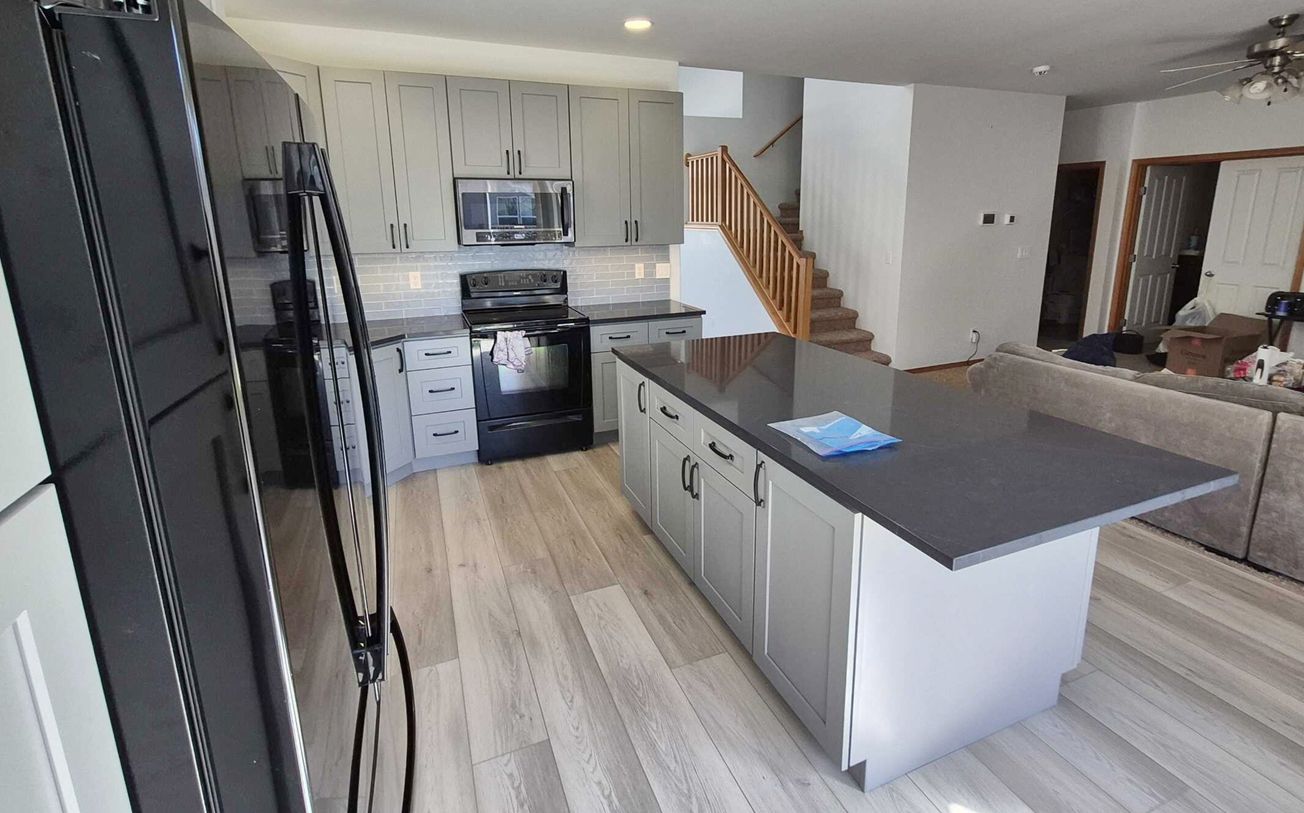
A standard kitchen remodel typically takes 6–10 weeks once construction begins. Bathrooms usually fall in the 4–8 week range. These timelines assume fixtures stay near existing locations and no major system upgrades are required.
Multi-Room or Partial Home Remodels
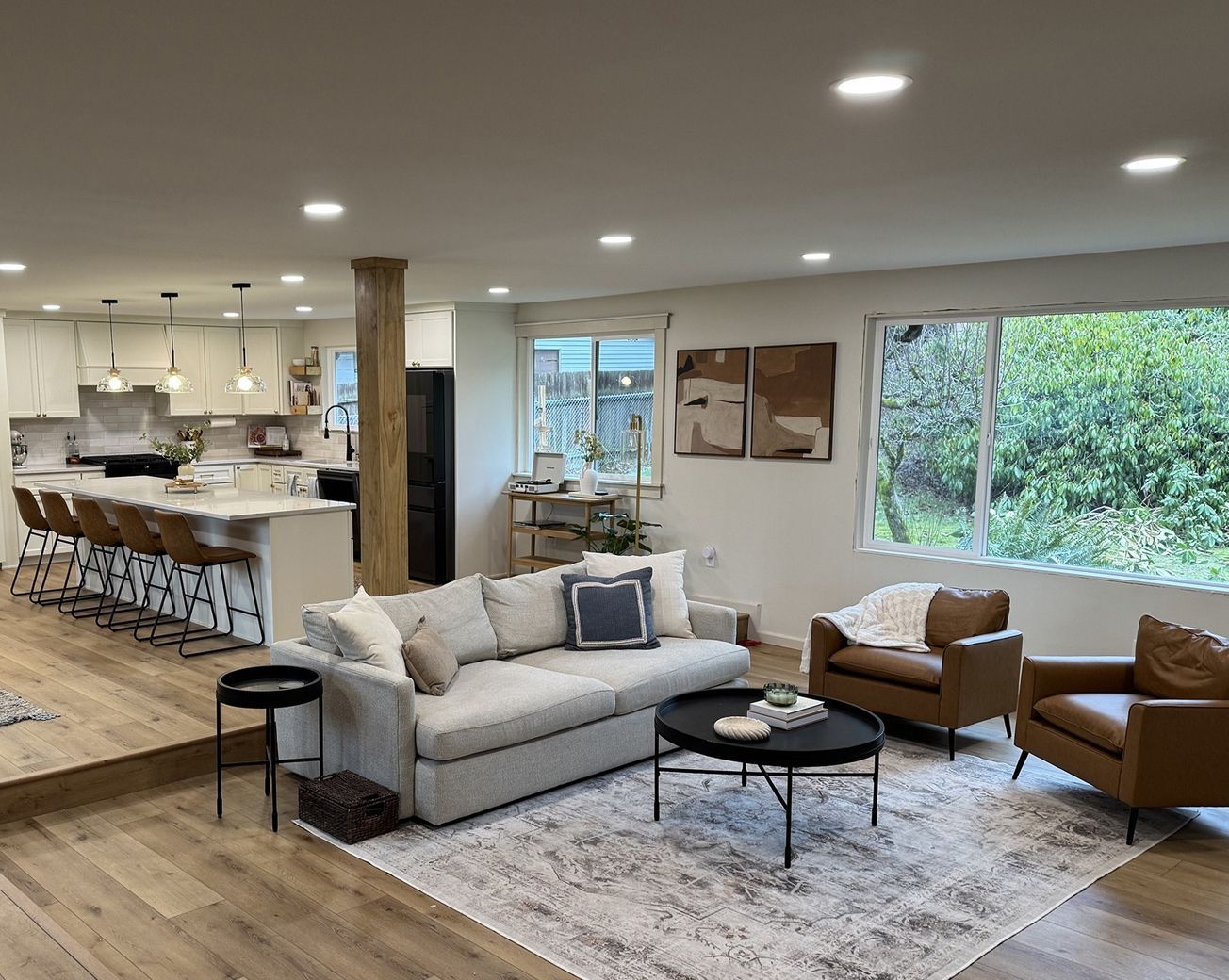
When multiple rooms are remodeled together—such as a kitchen, bathrooms, and flooring throughout the home—projects usually take 3–5 months. The timeline increases because trades must move through the house in sequence, and inspections occur at multiple stages.
Electrical, plumbing, and flooring work often overlap, which requires careful scheduling to avoid rework.
Full Home Remodels
A full home remodel typically takes 4–8 months, and sometimes longer. This includes demolition, system upgrades, layout changes, inspections, finish installation, and final detailing.
The wider the scope, the more dependencies exist. Delays in one phase ripple into others, which is why full remodels rarely move as fast as homeowners expect.
The Phases That Make Up a Remodel Timeline
Understanding the phases of a remodel helps explain where time is actually spent. Each phase serves a purpose and cannot be rushed without consequences.
Planning and Design
Before construction begins, plans must be finalized. This phase can take several weeks to several months, depending on how quickly decisions are made.
Design, scope definition, material selection, and budgeting all happen here. Rushing this phase often leads to delays later.
Permitting and Approvals
Once plans are complete, permits are submitted for review. In Maple Valley, review timelines vary based on scope and city workload. This phase can take weeks or longer and must be completed before construction starts.
Permits do not add physical work time, but they directly affect the start date.
Demolition and Rough Work
After permits are issued, demolition begins. This phase reveals existing conditions and sets the tone for the rest of the project.
Rough electrical, plumbing, framing, and inspections happen here. This is one of the most time-sensitive phases because inspections must be scheduled and passed before work continues.
Finish Installation
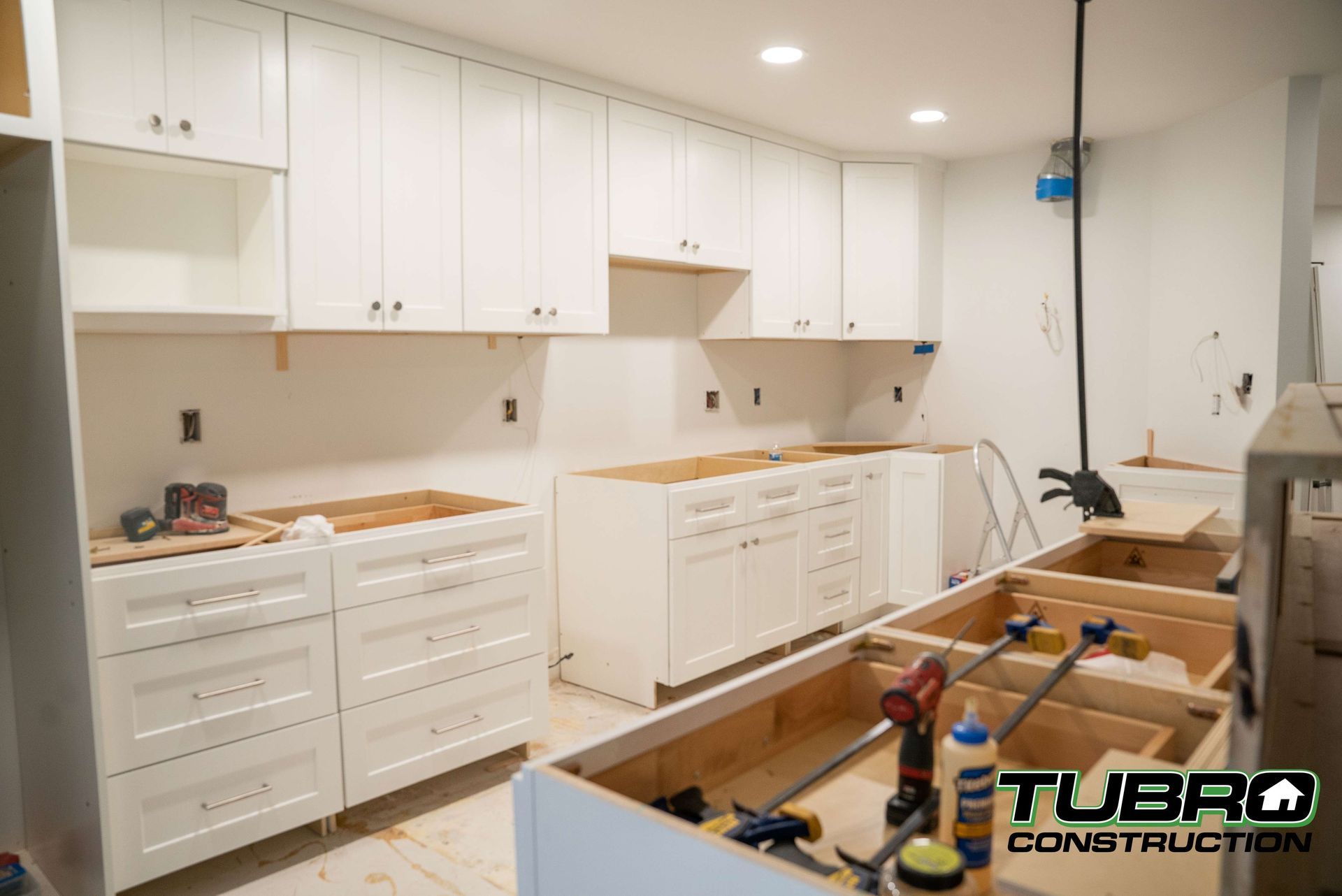
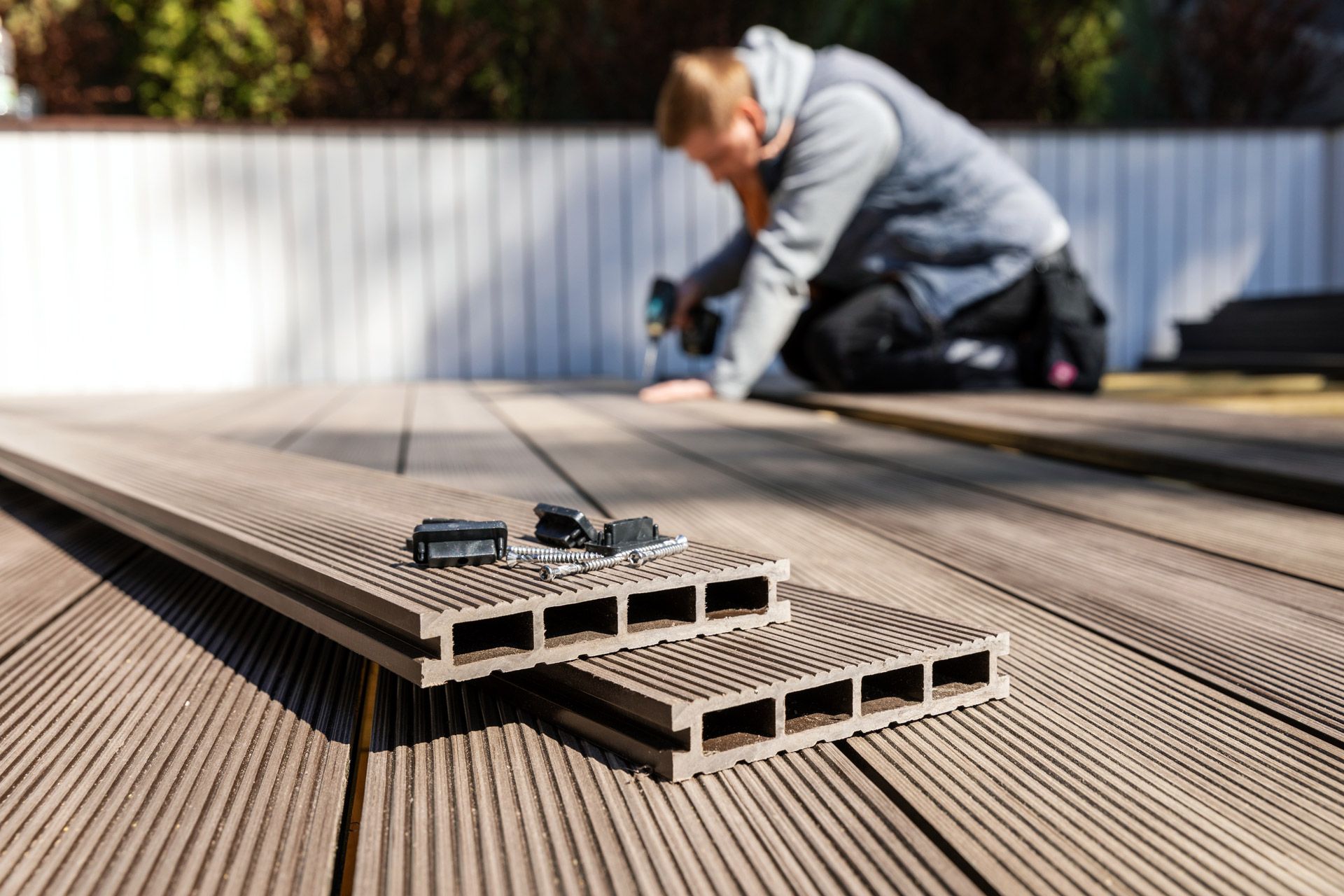
Once rough work is approved, finishes are installed. This includes drywall, flooring, cabinets, tile, paint, trim, and fixtures.
This phase is labor-intensive and detail-heavy. It often takes longer than expected because work must be done in a specific order to avoid damage.
Final Inspections and Punch List
At the end of the project, final inspections are completed and remaining touch-ups are addressed. This phase ensures everything functions properly and meets code.
While shorter than other phases, it is critical for project completion.
What Causes Remodel Timelines to Extend
Timeline extensions usually come from predictable factors, not bad luck. Knowing these factors helps set realistic expectations.
Scope Changes During Construction
Changes made after construction begins almost always extend the schedule. Reordering materials, redesigning layouts, or revising system work introduces delays that compound quickly.
Inspection Scheduling
Inspections must be scheduled and passed before work continues. Missed or failed inspections can pause progress until corrections are made.
Material Lead Times
Custom cabinets, specialty tile, appliances, and fixtures may have long lead times. If materials are delayed, installation cannot proceed.
Existing Condition Discoveries
Once walls or floors are opened, hidden issues may need correction. Addressing water damage, wiring problems, or structural concerns adds time but is necessary for safety and durability.
Trade Coordination
Remodeling relies on multiple trades working in sequence. Delays in one trade affect everyone else, especially in full home remodels.
Decision Guide: How to Estimate Your Own Remodel Timeline
Rather than asking how fast a remodel can be done, homeowners should focus on how predictable the timeline will be.
- Define scope clearly before construction
Vague scope leads to constant adjustments, which extend timelines. - Finalize material selections early
Late selections delay ordering and installation. - Understand permit requirements upfront
Permits affect start dates and inspection sequencing. - Plan for inspection buffers
Inspections rarely happen the same day they are requested. - Assume older homes take longer
Hidden conditions are more common and take time to resolve.
Frequently Asked Questions About Remodel Timelines
- Can a remodel be completed faster if more workers are added?
Not always. Many tasks must happen in sequence, not in parallel. - Why does finishing work take so long?
Finish work requires precision and must be completed in a specific order to avoid damage. - Do remodels always take longer than expected?
Not always, but projects with unclear scope or late changes often do. - Can homeowners live in the house during a remodel?
Sometimes, but living onsite can slow progress due to access and safety limitations. - Is a longer timeline a sign of poor management?
Not necessarily. Some delays are structural or inspection-related, not managerial.
Conclusion: Realistic Timelines Lead to Better Remodels
A home remodel takes as long as it needs to take to be done correctly. Fast timelines often come at the cost of quality, safety, or coordination. When homeowners understand how scope, inspections, and sequencing affect schedules, timelines become far more predictable.
Working with a local remodeler like
Tubro Construction helps establish realistic timelines from the start, coordinate trades efficiently, and keep the project moving without unnecessary delays..