How Much a Full Home Remodel Costs in Maple Valley WA
March 30, 2026
How Much a Full Home Remodel Costs in Maple Valley WA
Introduction: A Realistic Way to Think About Remodel Cost
If you’ve been Googling full home remodel costs in Maple Valley, you’ve probably seen numbers that don’t match each other at all. One site says a remodel should cost X, another says 2X, and neither explains what is actually included. The reason costs swing so much is simple: a full remodel isn’t priced like a product. It’s priced like a custom construction project where the scope, existing conditions, and code requirements change the budget more than the square footage does.
This guide breaks down what “full home remodel” typically includes in Maple Valley, how contractors arrive at pricing, what parts of the project cost the most, and how to build a budget that doesn’t collapse halfway through construction.
What a Full Home Remodel Usually Includes
A full home remodel means the majority of the home’s interior is updated in one coordinated project so the finished result feels consistent and the work is scheduled efficiently. That does not mean every remodel includes the exact same work, but there are common categories that most full-home projects touch.
Below is a practical way to think about scope based on what homeowners usually include.
Living spaces and finishes
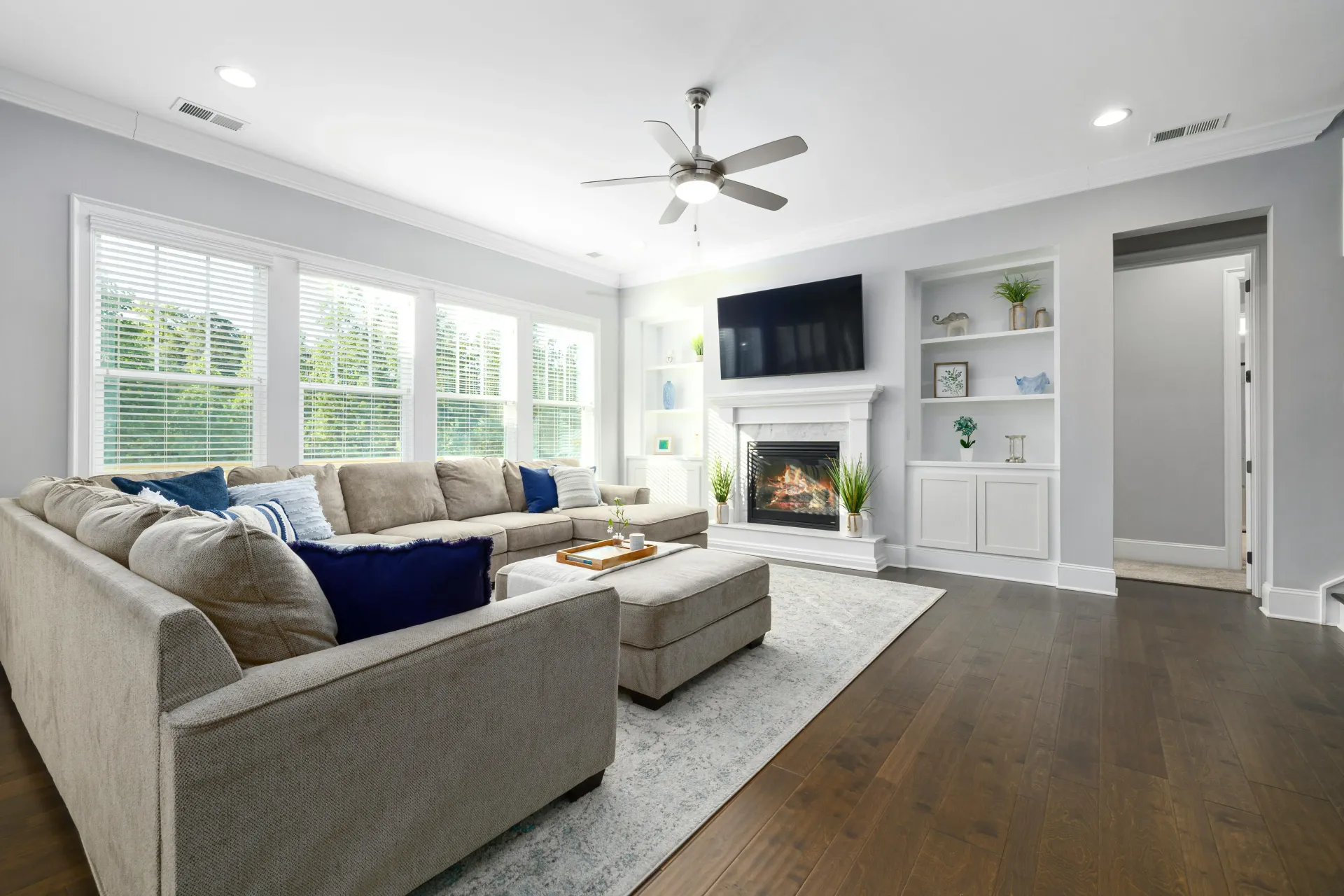
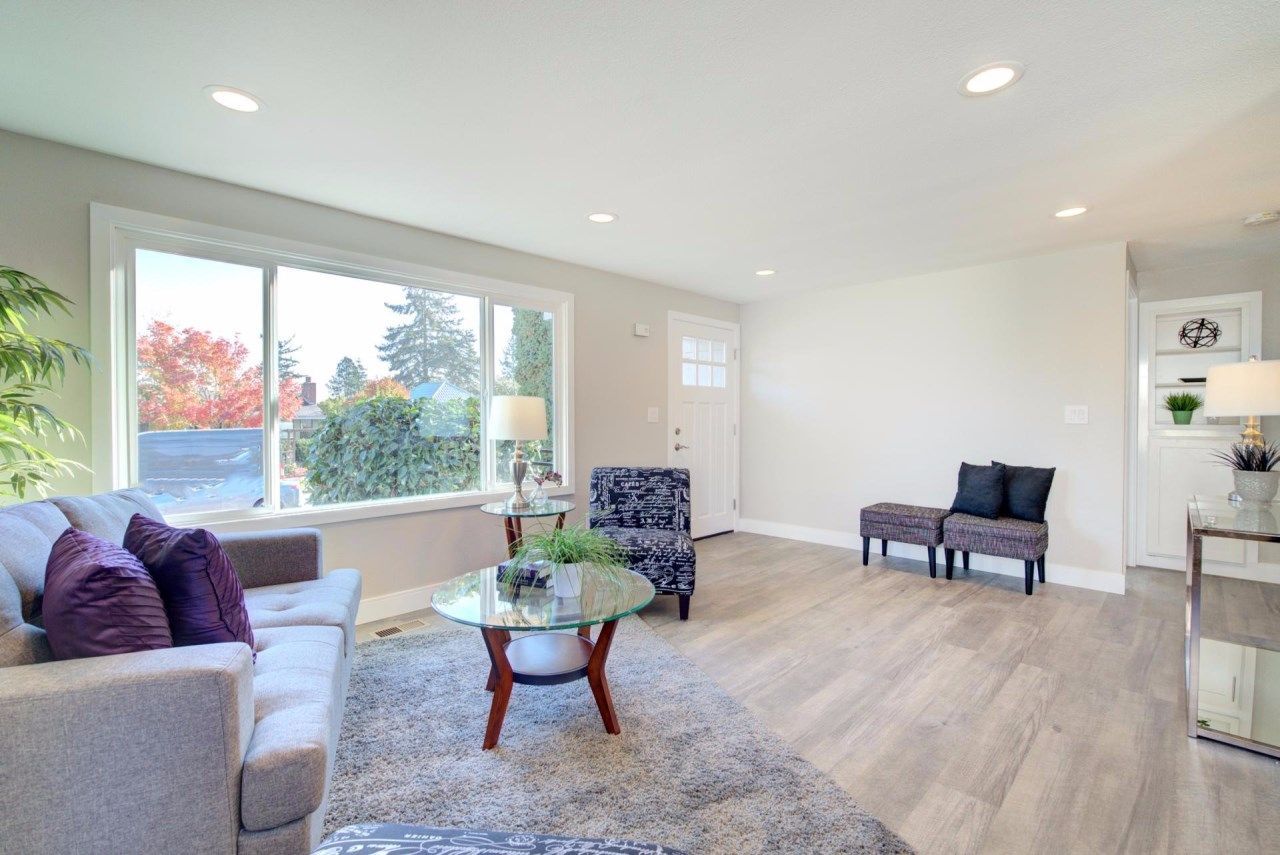
These are the visible upgrades that make the home look and feel new. They often include whole-house flooring, interior paint, trim updates, doors, lighting updates, and finish carpentry repairs that happen after demolition and construction.
Kitchens
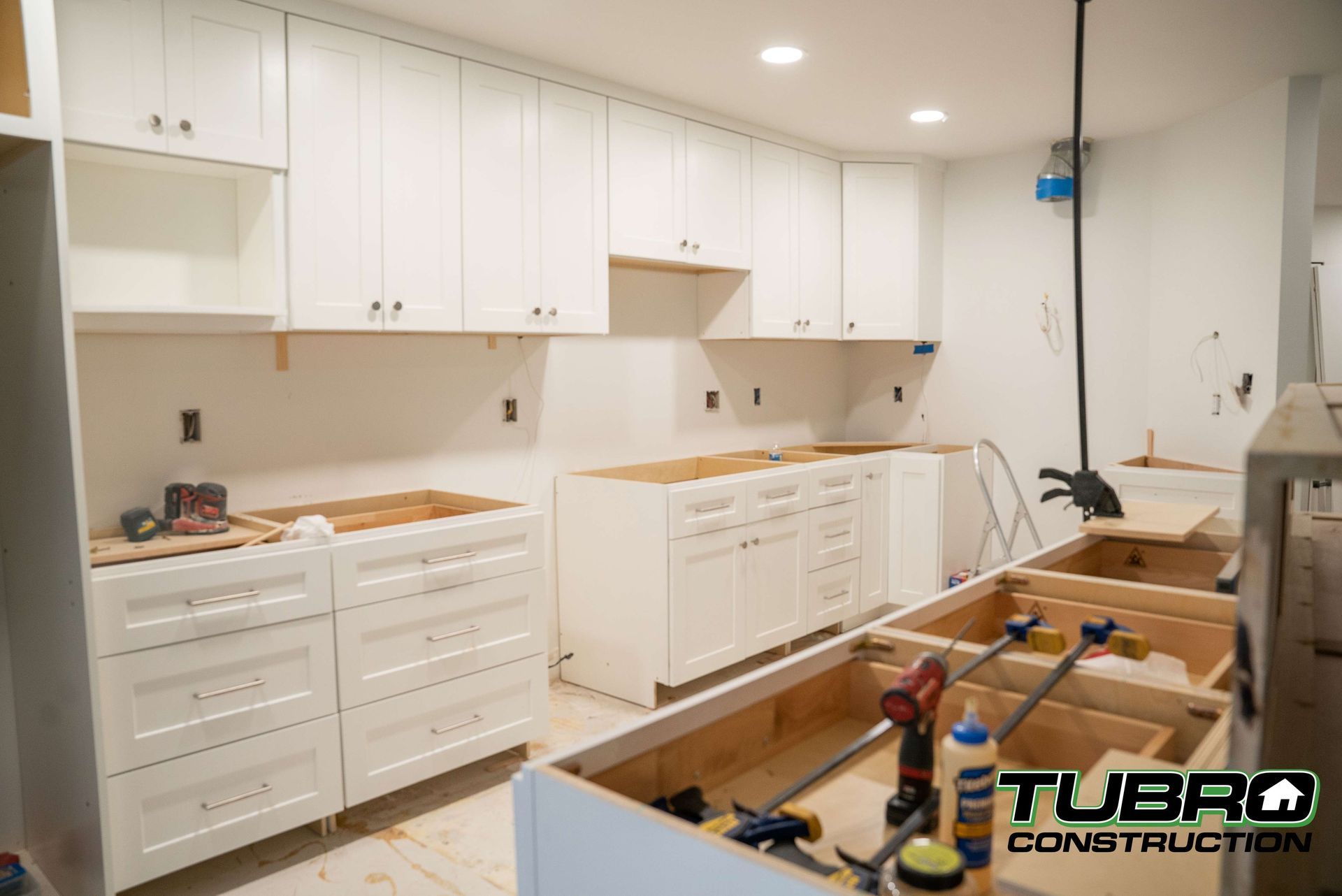
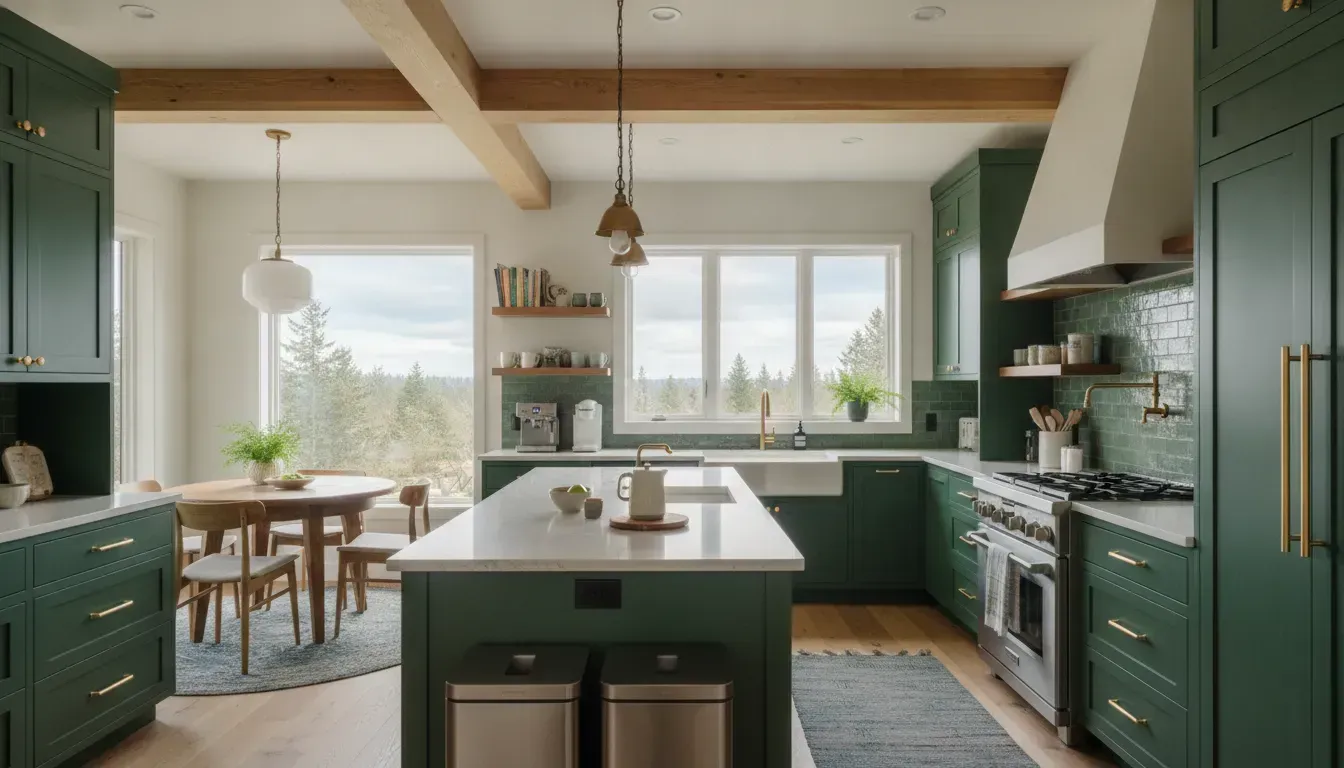
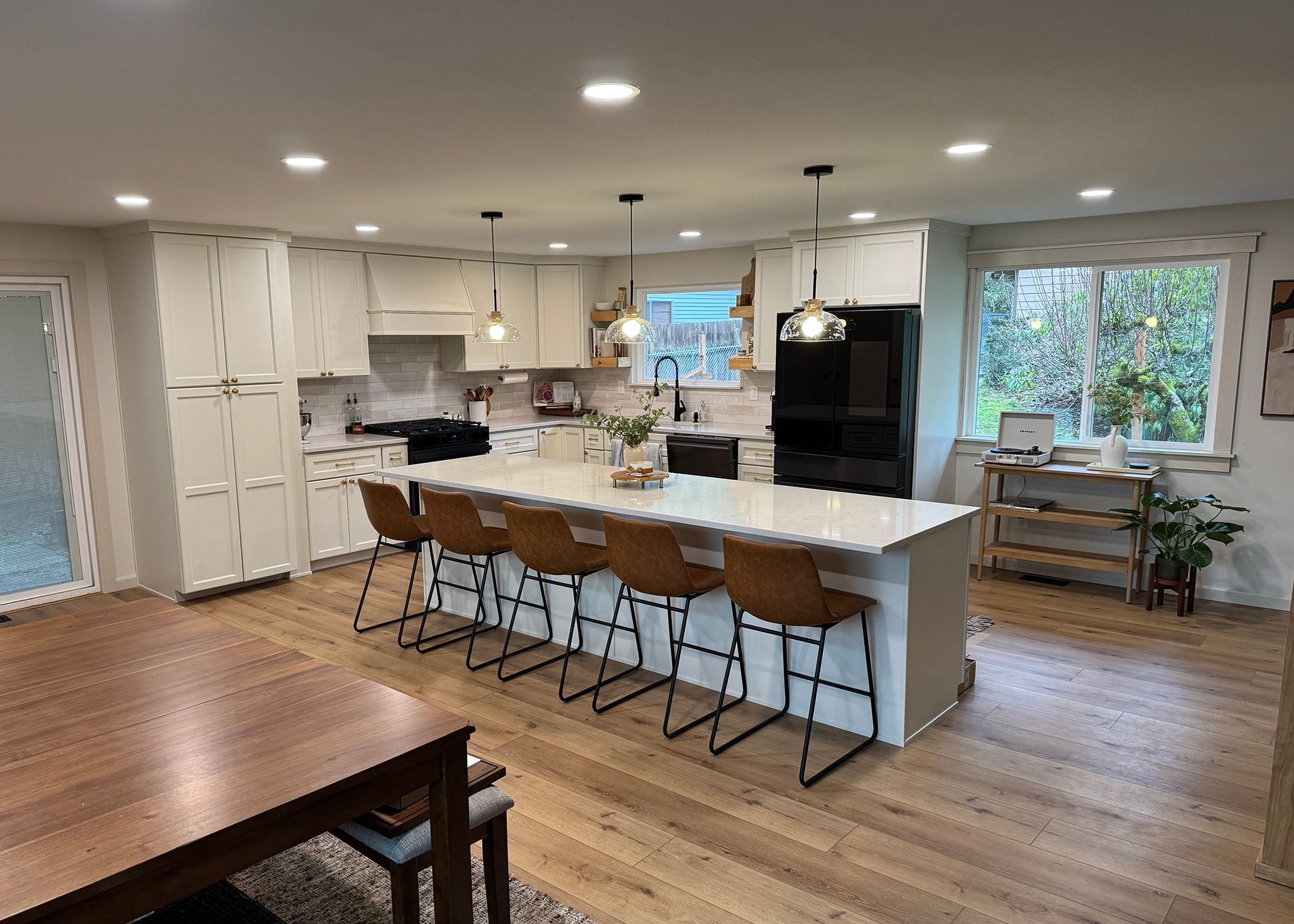
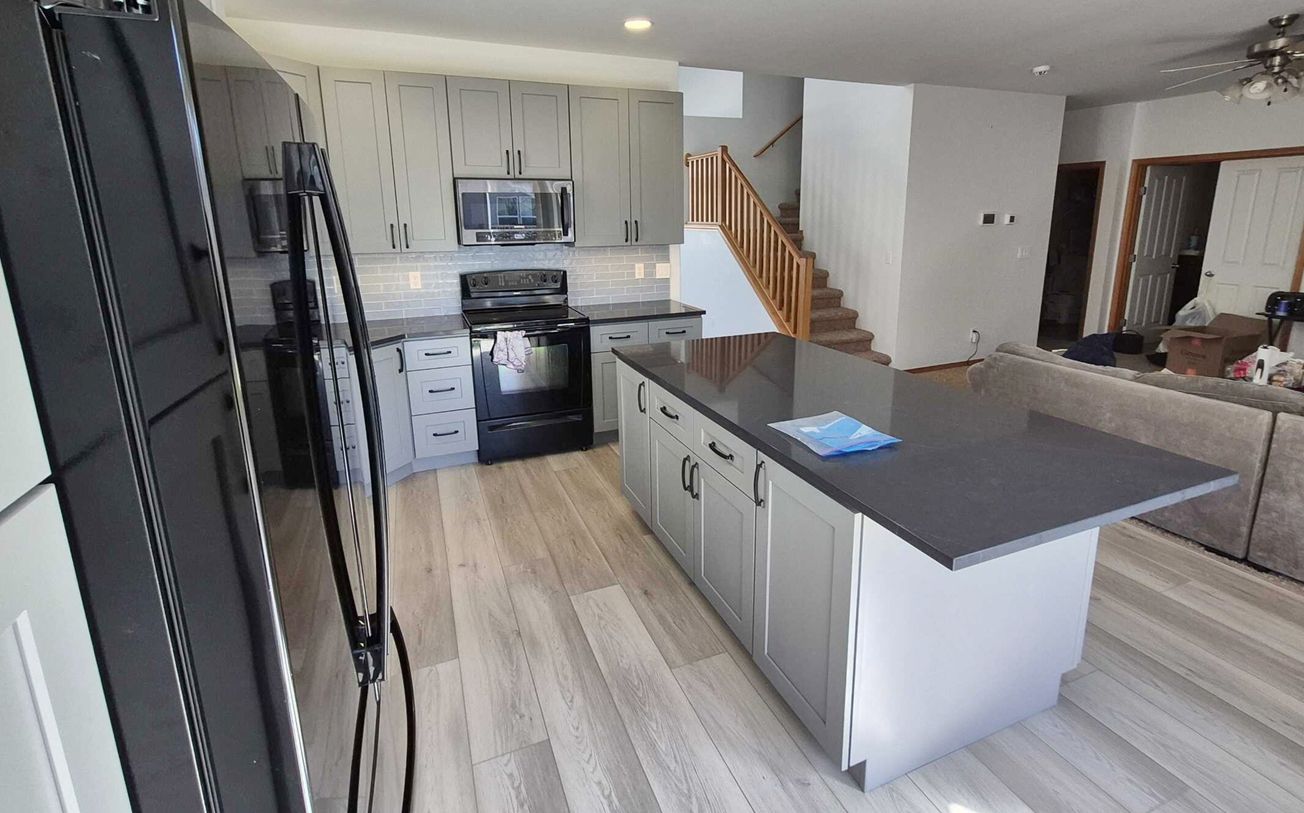
Kitchen remodels are almost always part of a full home remodel because they have the biggest impact on function and resale. This category includes cabinets, countertops, appliances, plumbing connections, electrical circuits, lighting, ventilation, and often changes to layout or wall openings.
Bathrooms
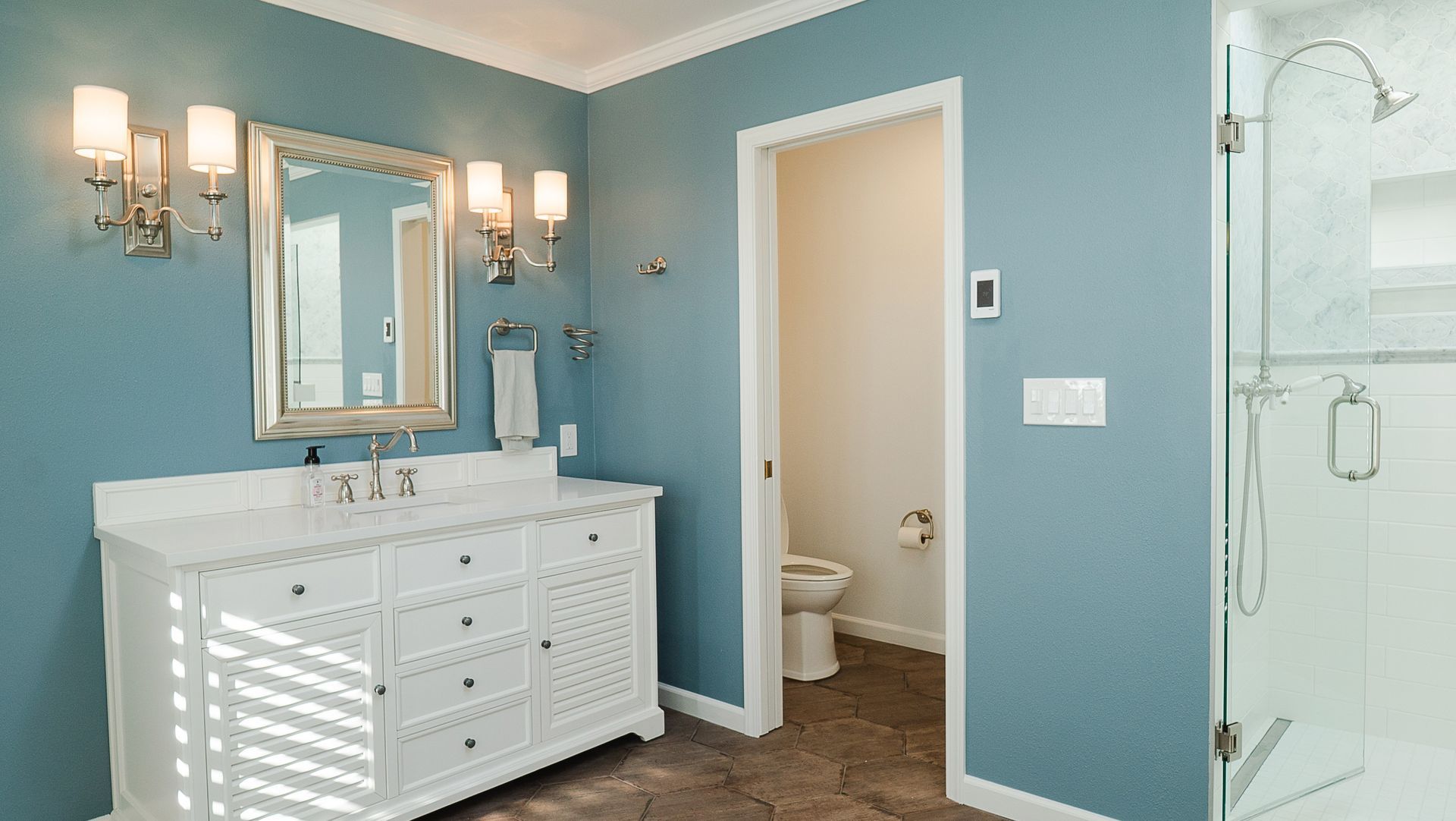
Most full remodels include at least one bathroom, and many include two or more. Bathrooms involve waterproofing systems, tile installation, plumbing upgrades, ventilation, and code-compliant clearances—so even small bathrooms can be high-cost areas.
Electrical, plumbing, and other systems
System work is the part that homeowners don’t see but frequently pay for. Depending on the home’s age and condition, that can mean electrical panel upgrades, rewiring, adding circuits for modern appliances, replacing plumbing sections, relocating fixtures, and improving exhaust ventilation.
Layout changes
Layout work is not required for every full remodel, but it is common when homeowners want better flow, open concepts, or improved use of space. Even “simple” changes like moving a doorway or removing a wall can increase labor, engineering needs, and permit requirements.
Full Home Remodel Cost Ranges in Maple Valley WA
Instead of chasing one number, it’s more accurate to use ranges tied to scope. In Maple Valley, full home remodels generally land in these tiers depending on how much is being rebuilt versus refreshed.
Entry-level full home remodel: $120,000–$180,000
This level typically involves updating finishes and improving function while keeping most layouts and system locations the same. You might replace flooring, paint, update fixtures, refresh a kitchen and bathrooms without major relocation of plumbing, and perform targeted electrical upgrades that are required for safety and code.
Mid-range full home remodel: $180,000–$300,000
This is the most common tier for homeowners who want meaningful upgrades across the entire home and a more modern layout. You often see semi-custom or custom cabinetry, more extensive tile and waterproofing in bathrooms, full-house flooring replacement, upgraded lighting plans, electrical panel updates or added circuits, and some layout reconfiguration.
High-end or extensive full home remodel: $300,000+
Projects move into this range when structural changes are significant or when major systems are being fully replaced. Custom millwork, premium appliances, full rewiring or re-plumbing, large-scale layout changes, and additions can push a project beyond $300,000 quickly.
Cost Breakdown: What Drives the Price Up (and Why)
Homeowners usually want to know where the money actually goes. The most useful way to understand that is by looking at the parts of a full remodel that are naturally expensive because of labor, trades involved, and technical complexity.
Kitchen costs (often the largest share)
Kitchens cost more than most other spaces because so many components meet in one room. Cabinets and countertops are a big portion, but labor adds up too: electrical for outlets and lighting, plumbing connections, ventilation, appliance installation, and sometimes structural changes if the kitchen is being opened up.
Common cost drivers in kitchens include cabinetry quality, how many cabinets you need, countertop material, appliance package, layout changes, and whether plumbing or electrical locations are being moved.
Bathroom costs (high labor density)
Bathrooms are small but expensive because they are detail-heavy and require skilled labor. Waterproofing and tile work take time, plumbing is concentrated in a small area, ventilation must meet code, and mistakes are costly to fix.
Common cost drivers in bathrooms include tile coverage, shower design, waterproofing system, fixture relocation, number of bathrooms being renovated, and whether subfloor or framing repairs are needed after demolition.
Flooring throughout the home (square footage adds up fast)
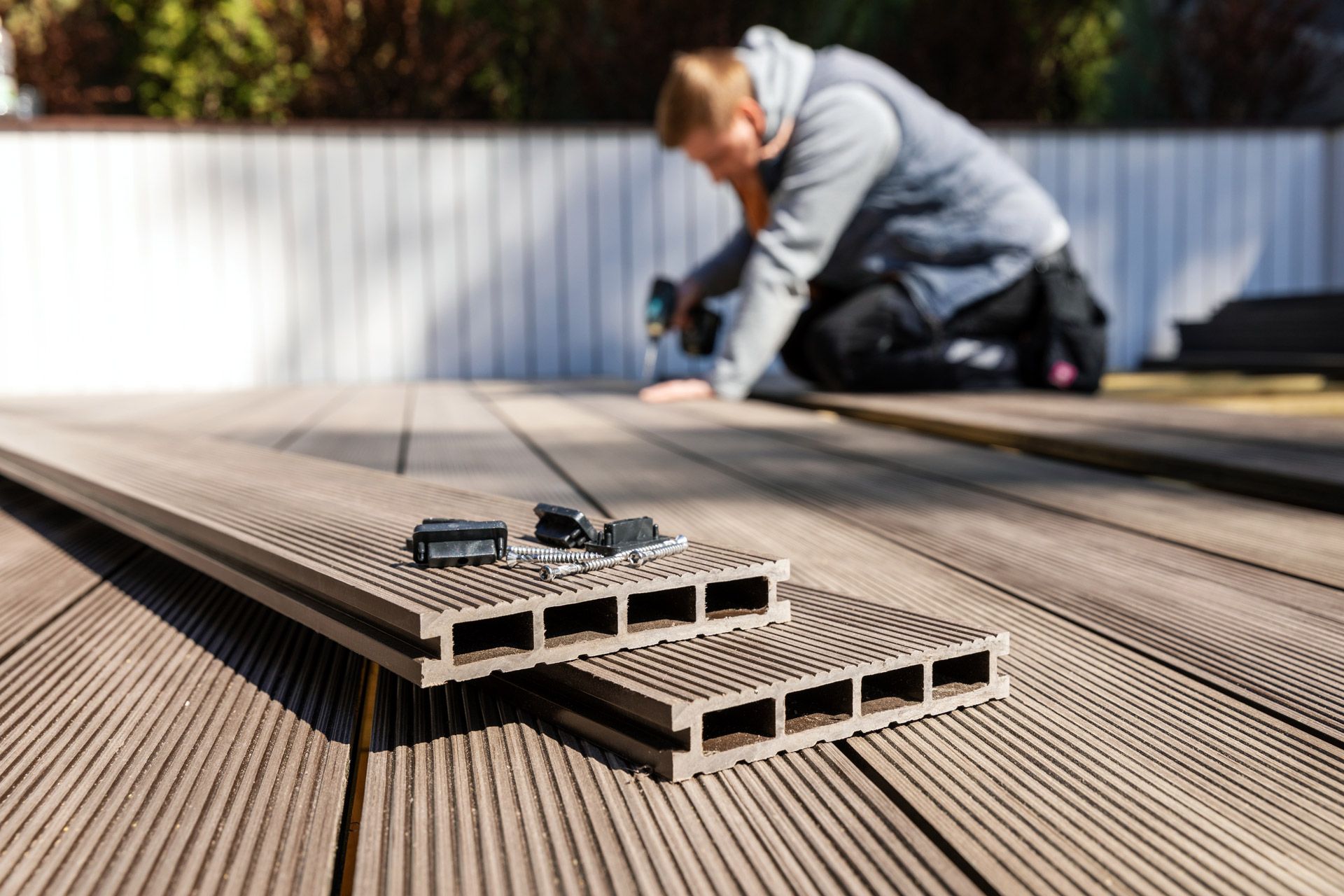
Whole-house flooring replacement becomes a major line item because it is multiplied across every room. Costs rise when you have stairs, multiple flooring types, subfloor leveling, or complex transitions between rooms.
Common cost drivers for flooring include total square footage, material choice, subfloor condition, stair work, and whether you’re blending new flooring into existing areas.
Electrical and plumbing upgrades (the “hidden” budget)
Older homes in the area may need upgrades once walls are opened. Electrical panels may need replacement, circuits may need to be added for modern appliances, and plumbing sections may need replacement or rerouting.
Common cost drivers for systems include panel upgrades, rewiring scope, adding dedicated circuits, relocating fixtures, re-piping needs, and bringing venting/exhaust up to current standards.
Finish work and restoration (what makes it look complete)
After demolition and construction, the house needs to be put back together. Drywall repairs, painting, trim work, door installation, and final detailing often take more time than homeowners expect, especially when many rooms are involved.
Decision Guide: How to Estimate Your Full Remodel Budget Before You Get Quotes
If you want a realistic budget before meeting with a contractor, you need to translate your ideas into scope. The steps below help you do that without guessing.
- Start with your “must-change” list
Identify what has to be fixed for safety, function, or comfort—things like failing flooring, outdated bathrooms, a kitchen that doesn’t work, or electrical limitations. This sets your baseline scope. - Mark what you want to keep in place
Costs stay more controlled when plumbing and electrical locations remain where they are. If you plan to move sinks, toilets, showers, or ranges, assume your budget tier will move upward. - Decide whether layout changes are part of the project
Removing walls, changing room sizes, or opening up kitchens often improves living experience, but it increases engineering considerations, labor, and permit complexity. - Choose finish level room by room
Pick realistic ranges for cabinets, counters, flooring, and tile. Your finish level is a major driver of cost because it affects materials and labor time. - Add a contingency that matches your home’s risk
If your home is older or has unknown conditions, plan a larger contingency. A common planning range is 10–15 percent, but the right number depends on how likely hidden issues are. - Plan for timeline-related cost impacts
Longer timelines can increase labor costs and delay-related expenses. Specialty materials with long lead times can also create scheduling gaps.
FAQs About Full Home Remodel Cost in Maple Valley WA
- How long does a full home remodel take?
Most full home remodels take about 4–8 months depending on scope, permitting, material lead times, and how much system work is needed. - Is it cheaper to remodel or rebuild a home?
Remodeling is often cheaper when the structure is in good condition and the project focuses on upgrading interiors. If you are doing major structural changes and full system replacement, the gap can narrow. - Can I live in my house during a full remodel?
Some homeowners do, but living in the home is difficult when kitchens or bathrooms are out of service or when dust and noise are constant. Many choose temporary housing during the heaviest phases. - What are the biggest hidden costs in a full remodel?
Hidden costs often come from electrical or plumbing issues discovered after demolition, water damage, framing repairs, or required code upgrades that weren’t visible before walls were opened. - Do permits affect remodel cost?
Permits usually don’t add a massive dollar amount compared to total remodel cost, but they can affect scheduling and inspections, which influences timelines and labor coordination.
Conclusion: How to Get a Price That Matches Reality
The most accurate way to budget a full home remodel in Maple Valley is to stop searching for one universal number and instead match your remodel plan to scope-driven cost tiers. Once you know whether you’re doing cosmetic upgrades, meaningful layout improvements, or extensive structural and system replacement, the budget becomes much more predictable.
If you want a clear, scope-based estimate for your home, a local remodeler like
Tubro Construction can walk through your goals, explain what will drive cost in your specific house, and provide a plan that fits both the budget and timeline you actually have.