
Planning your remodel
A Remodeling Material Selection Checklist That Prevents Guesswork
Organize remodeling finishes with a shared selection record covering product details, samples, care requirements, compatibility, and order approvals.
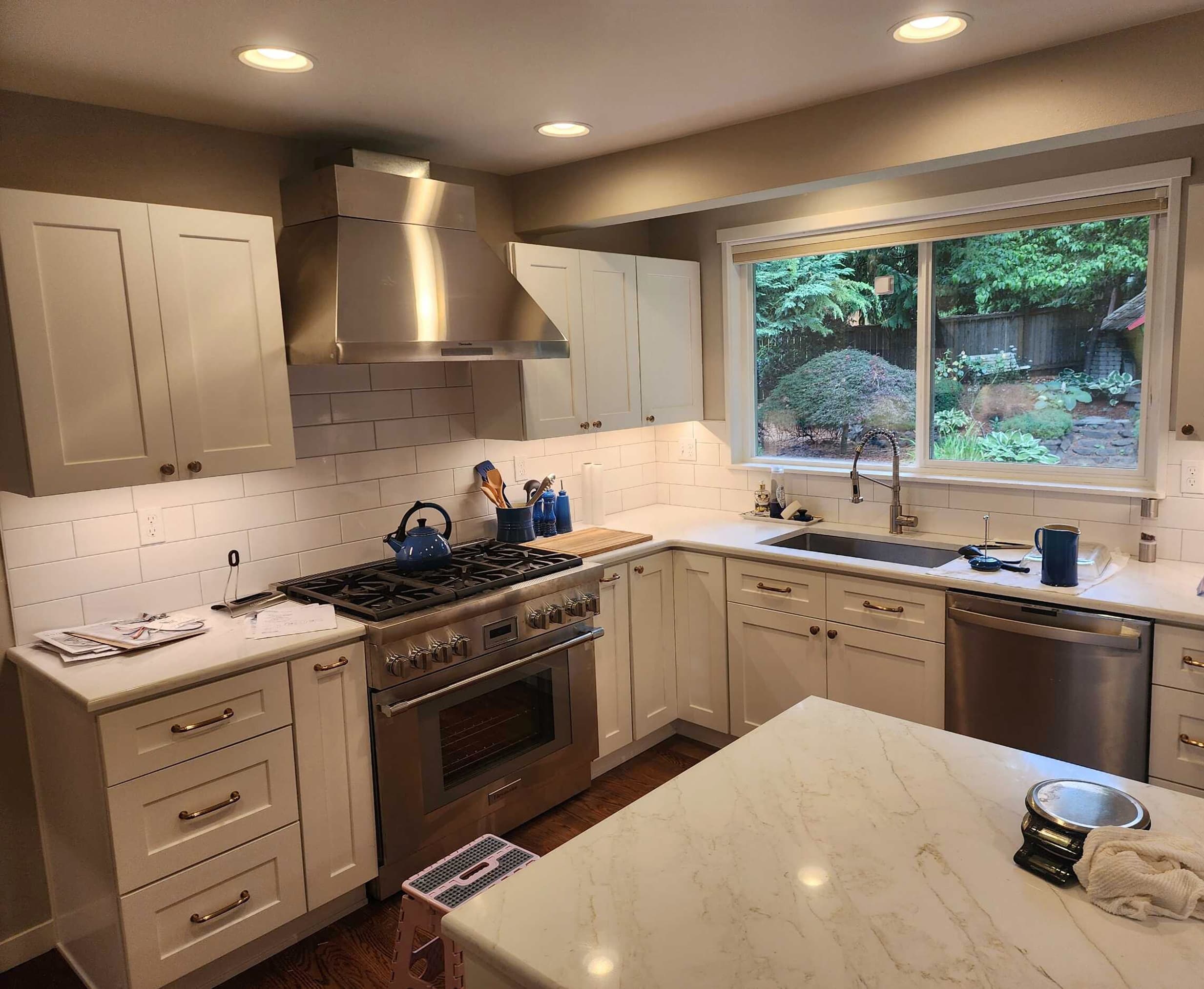
Turn inspiration into a product record
A saved photo can explain the feeling you want from a remodel. It cannot tell the installer which tile finish you approved or tell the supplier which faucet model to order. Once you begin choosing products, move from a collection of images to one shared selection record that identifies each decision precisely.
The record can be a simple spreadsheet or document. Give every item a location, manufacturer, product name, model number, color, finish, and current approval status. Add a link to the product information and a photo of the labeled sample when available. Keep inspiration images nearby, but distinguish them from products that are actually approved.
Decide what the material needs to tolerate
Describe the use before comparing appearances. A bathroom floor, shower wall, kitchen counter, and entryway each ask different things of a finish. Tell the project team about pets, frequent cooking, cleaning preferences, and any maintenance tasks you would rather avoid. Ask them to confirm that the exact product is appropriate for its proposed location.
Read the manufacturer's care guidance while the choice is still open. For example, Cosentino's Silestone maintenance guidance addresses cleaning and protection from hot cookware; a durable-looking surface still has care requirements. Do not transfer one brand's instructions to every countertop material. Save the instructions for the product you select and decide whether they suit your habits.
Review samples as a group
Place the cabinet finish, countertop sample, tile, flooring, and metal finish together. Review them in the room where they will be installed when possible, both in daylight and under the planned artificial light. Look at the relationship between materials rather than asking whether each one is attractive on its own.
Label the samples so a later conversation does not depend on remembering which white or brushed finish you preferred. Ask how representative a small sample is of the delivered material, especially when pattern or natural variation matters. Discuss whether you will review a larger sample, layout, or individual slab before final approval.
Check the decisions that affect other decisions
Some choices set dimensions or installation requirements for other parts of the room. An appliance influences its opening. A sink needs coordination with the cabinet and countertop. A wall-mounted fixture may affect work that happens before the wall is finished. Ask the project team to identify these dependencies in your selection list.
Use the list to distinguish a confirmed choice from an unresolved placeholder. If you are still choosing between two products, tell the contractor rather than entering a vague description that looks final. Ask what information is needed to keep planning accurate and which approvals must happen before fabrication or installation can proceed.
- Attach appliance dimensions and installation documents to the chosen model.
- Record sink configuration, faucet requirements, and accessory selections together.
- Confirm tile size, finish, layout direction, and the accompanying trim decisions.
- Include transitions, edges, hardware, and other small pieces in the review.
Make ordering responsibilities explicit
For each item, record who orders it, who checks the order, where it will be delivered, and who inspects it on arrival. Ask the supplier to confirm availability for the actual product and quantity. An online listing is a useful reference, but it is not the same as a project-specific delivery confirmation.
Agree on a substitution process before something becomes unavailable. Compare the proposed replacement's dimensions, finish, installation requirements, care instructions, and effect on the project. A product described as similar may change more than appearance. Update the shared record only after the replacement has been reviewed and approved by the appropriate people.
Keep the record useful after installation
Retain final product details, care instructions, warranties, and any agreed spare materials in one place. Label leftover paint or tile with the room and exact selection information. Ask what should be retained for future repairs and where it can be stored appropriately. These details are easier to organize while the project is fresh.
If you are preparing a remodel in King or Pierce County, bring your first selection list to a free estimate with Tubro Construction. It does not need to be complete. Mark what you have chosen, what you are considering, and where you need guidance. A clear record helps turn preferences into decisions that everyone working on the home can understand.
Sources & further reading
Consult the relevant authority for requirements specific to your property and project.
- Cosentino: Silestone maintenance and surface care
Bring your ideas. We’ll talk through the next step.
Tell us about your home, your project city, and what you would like to change.
Request a Free Estimate