
Kitchen remodeling
Kitchen Cabinet Storage: Plan Around What You Actually Use
Plan kitchen cabinet storage with an inventory, drawer measurements, daily routines, and a practical review before approving the cabinet order.
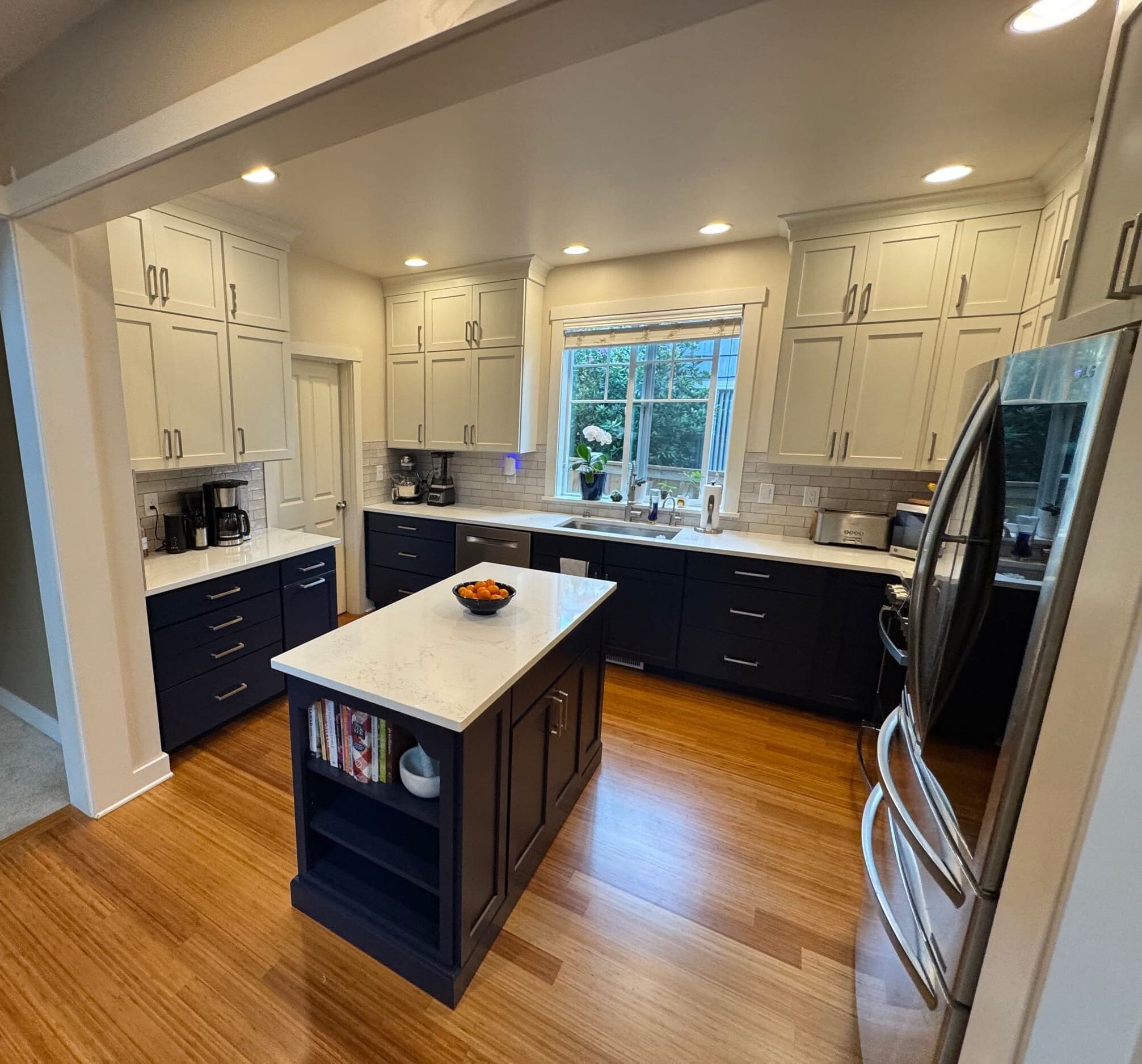
Count the contents before counting the cabinets
A kitchen can have plenty of cabinets and still feel difficult to use. The mixing bowl might be behind a stack of pans, lunch containers might spill out whenever a door opens, and the everyday plates might live across the room from the dishwasher. A remodel offers a chance to assign those belongings a deliberate home.
Start with a storage inventory before reviewing door styles. Photograph the inside of each cabinet, then separate items into everyday, weekly, and occasional use. Note what you intend to keep, donate, or store elsewhere. This gives your cabinet conversation a useful starting point: the actual objects your new kitchen needs to hold.
Map one ordinary meal from start to finish
Imagine making a familiar dinner. Mark where you collect ingredients, wash produce, prepare food, cook, serve, and put dishes away. Write down the objects needed at each step. Use this exercise to identify storage locations that suit your habits, rather than assigning every item to the same position it occupies today.
For example, a household that packs lunches every morning might group containers, lids, lunch bags, and reusable bottles in one accessible place. Someone who bakes regularly may prefer a dedicated area for measuring tools and baking pans. These are planning examples, not universal layouts; the best arrangement depends on who uses your kitchen and when.
Measure the awkward belongings
Bring dimensions for your tallest bottles, largest serving platter, stockpot, and frequently used countertop appliances. Measure the item as it will be stored, including handles or lids. Ask the cabinet designer to compare those measurements with the usable interior space, not only the outside cabinet dimensions.
Drawer hardware and organizers occupy space too. Blum's ORGA-LINE range illustrates how adjustable dividers, plate holders, and separate utensil compartments can organize different contents. Treat those examples as prompts for discussion rather than assuming an accessory fits every drawer. Confirm the selected organizer and cabinet system together before ordering.
Choose a job for each drawer or shelf
Write the intended contents directly on a copy of the cabinet plan. A deep drawer may look generous but still need a way to keep lids or containers organized. A shelf may suit occasional serving pieces while an everyday item needs a more convenient location. Ask to try comparable drawer and door mechanisms in person when possible.
Keep personal reach and handling preferences in the conversation. One person may comfortably lift a stack of plates where another would prefer smaller stacks. Check proposed loads with the cabinet supplier instead of relying on appearance. Keep cleaning products and potentially dangerous items in storage suited to your household's safety needs.
- List everyday dishes, glasses, and utensils separately from entertaining pieces.
- Give pan lids, food-container lids, and cutting boards explicit locations.
- Reserve space for recycling supplies, towels, and shopping bags.
- Identify which small appliances stay on the counter and which are stored.
Review the kitchen with doors open
A cabinet drawing usually shows a tidy room with everything closed. Ask for a review that includes open appliance doors, drawer extensions, adjacent handles, and the route through the kitchen. Check whether someone unloading the dishwasher blocks access to the cabinet intended for plates. Consider the refrigerator, pantry, and trash storage together during meal preparation.
Corners deserve particular attention. Ask to see how the proposed storage operates and what remains difficult to reach. A mechanism should solve a specific access problem; additional moving parts are not automatically an improvement for your routine. Compare the usable storage and handling involved in each option.
Approve a storage plan the whole household recognizes
Walk through the annotated plan with everyone who regularly cooks or cleans up. Have each person explain where they would put groceries, find breakfast supplies, and return clean dishes. A disagreement at this stage is useful information. It can reveal a missing landing area or a storage assignment that only makes sense to one person.
For a kitchen remodel in King or Pierce County, bring your inventory, measurements, and annotated layout to a free estimate with Tubro Construction. Ask which decisions must be resolved before the cabinet order and which interior accessories can be chosen later. Keep a dated copy of the approved plan so installation and move-in follow the same arrangement.
Sources & further reading
Consult the relevant authority for requirements specific to your property and project.
- Blum: ORGA-LINE storage accessories and dividing systems
Bring your ideas. We’ll talk through the next step.
Tell us about your home, your project city, and what you would like to change.
Request a Free Estimate