Remodeling journal
Veteran Owned Remodeling Contractor: What to Know
Learn what to look for in a veteran owned remodeling contractor, from ownership and licensing to estimates, project management, and clear communication.
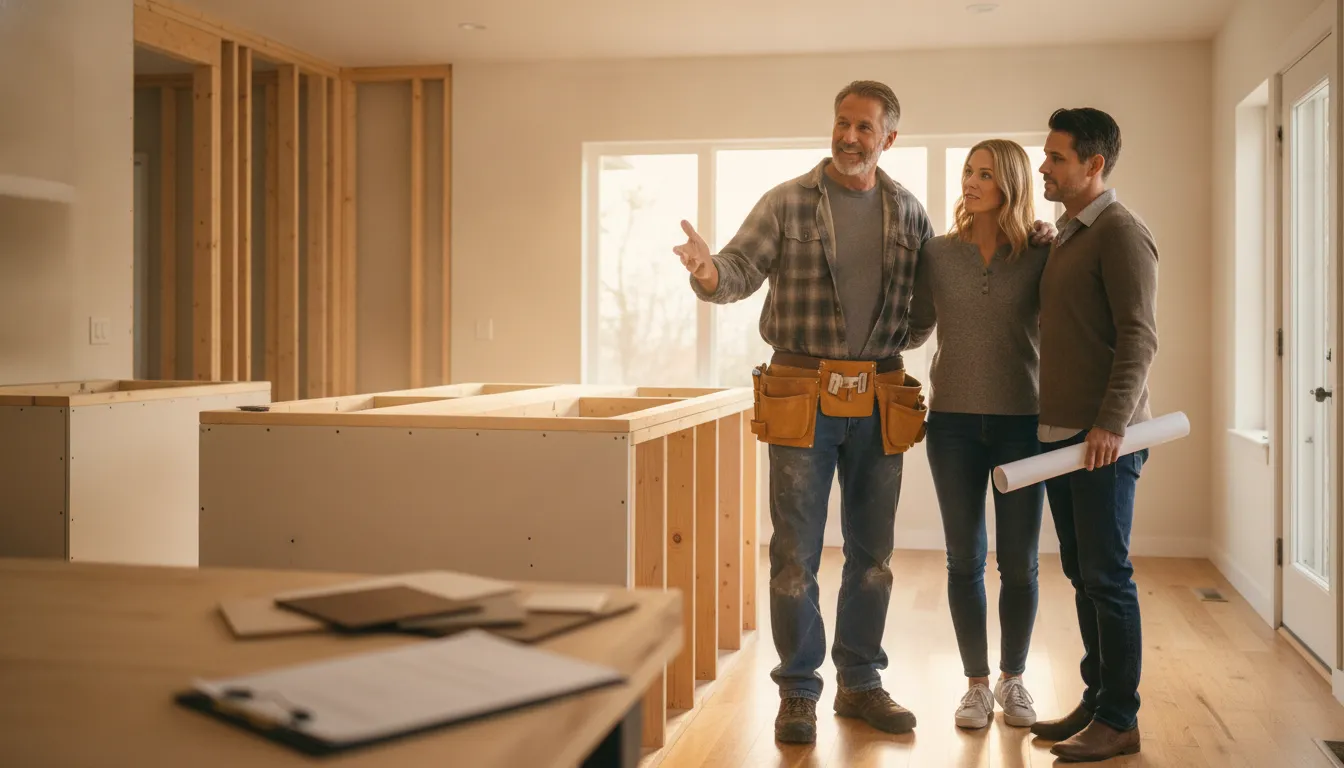
When you search for a veteran owned remodeling contractor, you may be looking for more than a label. You want a company that communicates clearly, keeps its word, manages details, and treats your home with respect. Veteran ownership can be a meaningful part of that story. But it should be one part of a larger evaluation that includes licensing, scope, pricing, project management, and references. For the full evaluation framework, start with Tubro's guide to hiring a remodeling contractor in Western Washington.
Schedule a free estimate with Tubro Construction to discuss your remodeling goals in Western Washington.
Tubro Construction is veteran-owned by Rich Tietjen, a U.S. Army veteran who served as a medic. The company serves homeowners in King County and Pierce County with remodeling, general contracting, design-build, painting, and custom home services. Here is how to think about veteran ownership while comparing contractors for your next project.
What Does Veteran-Owned Mean for a Construction Company?
Veteran-owned generally describes a business owned by a person who served in the military. It does not automatically certify workmanship, guarantee a schedule, or replace the normal questions you should ask before signing a remodeling agreement. A good contractor should be able to explain the ownership claim plainly and show you the same professional information you would request from any qualified company.
It is also important to distinguish veteran ownership from a government certification. The U.S. Small Business Administration describes Veteran-Owned Small Business and Service-Disabled Veteran-Owned Small Business certification in the context of federal contracting assistance. That program is different from a residential homeowner choosing a veteran-owned remodeler. You can review the SBA's veteran contracting assistance information to understand that distinction.
For a homeowner, the useful question is not simply whether a contractor is veteran-owned. Ask what values and operating habits the owner brings to project planning and management. Look for specific answers about communication, estimating, change orders, site care, subcontractor coordination, and your point of contact.
How Military Service Can Shape a Contractor's Work Ethic
Military experience does not make every contractor the same, and it should never be used as a substitute for proof. Still, service can shape how an owner thinks about preparation, responsibility, teamwork, and follow-through. Those qualities matter in remodeling because a project involves many decisions, people, materials, and handoffs.
Preparation before work begins
Remodeling is easier to manage when the scope is discussed before demolition starts. A disciplined planning process can help identify the homeowner's goals, existing conditions, material decisions, likely trade work, and open questions. It also creates a better opportunity to separate confirmed work from allowances or items that need further investigation.
Clear roles and communication
Homeowners should know who answers questions, who tracks decisions, and who communicates schedule changes. Tubro assigns a project manager to each project after design and material selections are completed. That person serves as a central point of contact for scheduling, scope questions, problem solving, and other project communication.
Accountability without overpromising
A trustworthy contractor does not promise that every project will be free of surprises. Existing walls, floors, plumbing, and wiring can reveal conditions that were not visible at the beginning. Accountability means explaining what changed, why it changed, and how the change affects the work, cost, or schedule before moving forward.
These are not exclusively military traits. They are professional habits any homeowner should look for. Veteran ownership can provide context for the owner's approach, while the company's actual process shows how that approach works in practice.
The 5% Military and First Responder Discount Explained
Tubro Construction offers a 5% discount for active-duty military members and first responders. This offer is especially relevant for homeowners connected to military or public-safety communities who are already considering a remodeling project. Ask about eligibility when you schedule your estimate so the team can explain how the offer applies to your project.
The discount should be considered alongside the full scope of work, not as the only reason to choose a contractor. A useful estimate should still explain what is included, which selections are allowances, how changes are handled, and what the project team expects from the homeowner. Comparing the complete scope helps you understand the value of the proposal rather than focusing on one line item.
For any contractor, ask these questions before you rely on a special offer:
- What project types and customers qualify?
- When is eligibility confirmed?
- Is the discount reflected in the written estimate or agreement?
- Does it apply to the full project scope or only defined work?
- Who should I contact if I have a question about the offer?
Keeping the offer specific protects everyone from confusion. Tubro's stated offer is for active-duty military members and first responders. It should not be broadened to groups or situations that have not been confirmed.
Serving the JBLM Community in Pierce County
For military-connected homeowners in Pierce County, a remodeling project may happen alongside a move, a new assignment, family changes, or a demanding work schedule. That makes predictable communication and organized decisions particularly valuable. You may need a contractor who can explain the next step clearly, document selections, and give you a reliable point of contact when questions arise.
Tubro Construction works with homeowners in Pierce County and across Western Washington. The company can discuss kitchen and bathroom remodeling, broader home renovations, painting, additions, general contracting, custom homes, and other construction needs. The right service depends on the home, the desired result, and the work required to get there.
If you are comparing companies near Joint Base Lewis-McChord or elsewhere in Pierce County, keep the evaluation practical. Ask whether the contractor works in your area, how site visits are handled, who manages subcontractors, and how decisions are documented. A veteran-owned identity may help you find a values-aligned company, but the estimate and project process should confirm whether the fit is right.
For the broader trust framework, read the planned guide to hiring a remodeling contractor in Western Washington. It covers questions, red flags, estimates, and communication factors that apply to any contractor comparison.
Why Homeowners Choose Veteran-Owned Contractors in Western Washington
Homeowners often choose a veteran-owned contractor because the ownership story aligns with values they want in a working relationship. They may appreciate service, responsibility, direct communication, and a personal connection to the military community. Those expectations become meaningful when they appear in the company's day-to-day process.
Personalized project management
A remodel is not only a construction task. It is a series of decisions made in an occupied home. A dedicated project manager can give the homeowner one place to raise questions about scheduling, selections, trade coordination, and scope. Tubro's team describes communication as central to project success and assigns a project manager to each project.
Upfront pricing and clear expectations
Transparent pricing does not mean that hidden conditions are impossible. It means the contractor should explain the known scope, assumptions, allowances, exclusions, and change process. Tubro emphasizes upfront pricing with no hidden fees and provides free estimates. Ask for those expectations in writing and compare them with the proposal you receive.
Craftsmanship that fits the home
Military affiliation is not a workmanship credential. Look at the contractor's relevant services, process, team, and past work. A remodeling company should be able to discuss the construction details that matter for your project, from cabinetry and finishes to plumbing, electrical work, drywall, permits, or structural coordination when applicable.
To learn more about Tubro's team and owner, visit the Tubro Construction team page. For broader construction and design-build needs, you can also review the company's general contractor services.
How to Choose a Veteran Owned Remodeling Contractor
Veteran ownership can be meaningful to a homeowner, especially when shared service experience helps establish a point of connection. It is still one part of your evaluation, not a workmanship guarantee or a substitute for licensing, insurance, references, and a clear agreement. Treat the ownership claim respectfully, then apply the same careful standards you would use with any remodeling company.
Start by confirming who owns the company and how that identity is documented. Then check the contractor's license through the appropriate state or county resource and ask for current proof of insurance. The Federal Trade Commission recommends considering only licensed and insured contractors and getting multiple estimates before choosing one. A veteran-owned remodeling contractor should welcome reasonable questions about qualifications rather than asking you to rely on a label alone.
| Evaluation area | What to ask or verify |
|---|---|
| Ownership and identity | Who owns the business, and can the company explain its veteran-owned status accurately without presenting it as a quality certification? |
| License and insurance | What is the current contractor license information, and can the company provide proof of applicable insurance? Confirm the license with the relevant government office. |
| Written scope and terms | Does the estimate identify the work, materials, price, expected dates, payment terms, and the process for approving changes? Put important verbal promises in writing. |
| Communication and ownership | Who will answer questions during the project? Ask whether you will have an assigned project manager and how updates, decisions, and change requests will be handled. |
| Project proof and references | Can the contractor show relevant completed work or provide references for similar remodeling projects? Read reviews critically and look for patterns in communication and follow-through. |
| Estimate comparison | Are the estimates based on comparable scopes and materials? Ask for an explanation when prices differ substantially instead of choosing automatically by the lowest number. |
Pay close attention to how the contractor communicates before you sign. A polished portfolio cannot answer questions about who coordinates trades, how decisions are recorded, or what happens when the existing home reveals an unexpected condition. Look for direct, consistent answers and a written change process. Be cautious if someone pressures you to decide immediately, asks for everything up front, or avoids putting scope and payment terms in writing. The FTC notes that these can be warning signs, while contract requirements vary by state.
Finally, compare value rather than headline price. Make sure each estimate covers the same work, materials, preparation, cleanup, and project responsibilities. Tubro Construction emphasizes upfront pricing, no hidden fees, and an assigned project manager for each project. Those practices are useful only when they are clearly explained for your project and reflected in the agreement. A free estimate should give you enough detail to ask informed questions and decide whether the contractor's process fits your expectations.
Questions to Ask Before Hiring Any Remodeling Contractor
Use these questions to compare a veteran-owned remodeler with any other company you are considering:
- Who owns the company, and who will be responsible for my project?
- Are you properly licensed for the work and service area involved?
- What does the estimate include, and what remains an allowance or exclusion?
- Who will be my day-to-day point of contact?
- How do you document selections, changes, and approvals?
- Which subcontractors or trades will be involved, and who coordinates them?
- How will you protect occupied parts of the home and keep the site orderly?
- What conditions could change the budget or schedule after demolition?
- What decisions must be made before construction begins?
- Can you explain the next step after the estimate?
The answers should be specific rather than vague. A contractor who communicates well before the project starts is more likely to give you a useful picture of how communication will work during construction. You should feel comfortable asking for clarification before you commit.
Frequently Asked Questions
How can you verify that a remodeling contractor is veteran-owned?
Start with the contractor's own company and owner information, then ask direct questions about who owns and manages the business. Veteran ownership is an identity and business-ownership claim, not a universal certification or substitute for checking qualifications. For Tubro Construction, Rich Tietjen is the owner and a U.S. Army veteran. You should still confirm the contractor's licensing, insurance, experience, and references before hiring.
What should homeowners look for when choosing a veteran-owned remodeling contractor?
Look for the same fundamentals you would expect from any remodeling contractor: a clear written scope, realistic schedule, transparent pricing, defined payment terms, responsive communication, and a practical process for changes. Ask who will manage the project and how often you will receive updates. Veteran ownership may be meaningful to your family, but it should complement rather than replace this due diligence.
Do veteran-owned remodeling contractors have special certifications or licenses?
Not automatically. Veteran-owned status does not by itself establish that a contractor is licensed, insured, bonded, or qualified for a particular project. Requirements and certifications can vary by program and location, so ask which specific credential is being claimed and verify it with the issuing authority. Confirm licensing and insurance through the appropriate government or issuing resource before you sign.
How should you compare estimates from remodeling contractors?
Compare what each estimate actually includes, not only the bottom-line price. The FTC recommends getting multiple estimates and says a written estimate should describe the work, materials, completion date, and price. Ask about exclusions, allowances, permits, change orders, and payment timing. If one estimate differs substantially from the others, ask the contractor to explain the difference before deciding.
Ready to compare your project options with a veteran-owned remodeling contractor? Request a free estimate from Tubro Construction or call 253-216-2633 to start the conversation.
Veteran ownership can be a meaningful trust signal when it is supported by clear processes, honest answers, and respect for the homeowner's goals. For Tubro Construction, Rich Tietjen's U.S. Army service is part of the company's story. The best way to decide whether Tubro is the right fit for your remodel is to discuss your home, scope, expectations, and questions directly.
Bring your ideas. We’ll talk through the next step.
Tell us about your home, your project city, and what you would like to change.
Book Your Free Estimate