
Remodeling journal
Remodeling Project Manager Benefits for Homeowners
Learn the remodeling project manager benefits that improve communication, scheduling, decisions, and visibility for Western Washington homeowners.
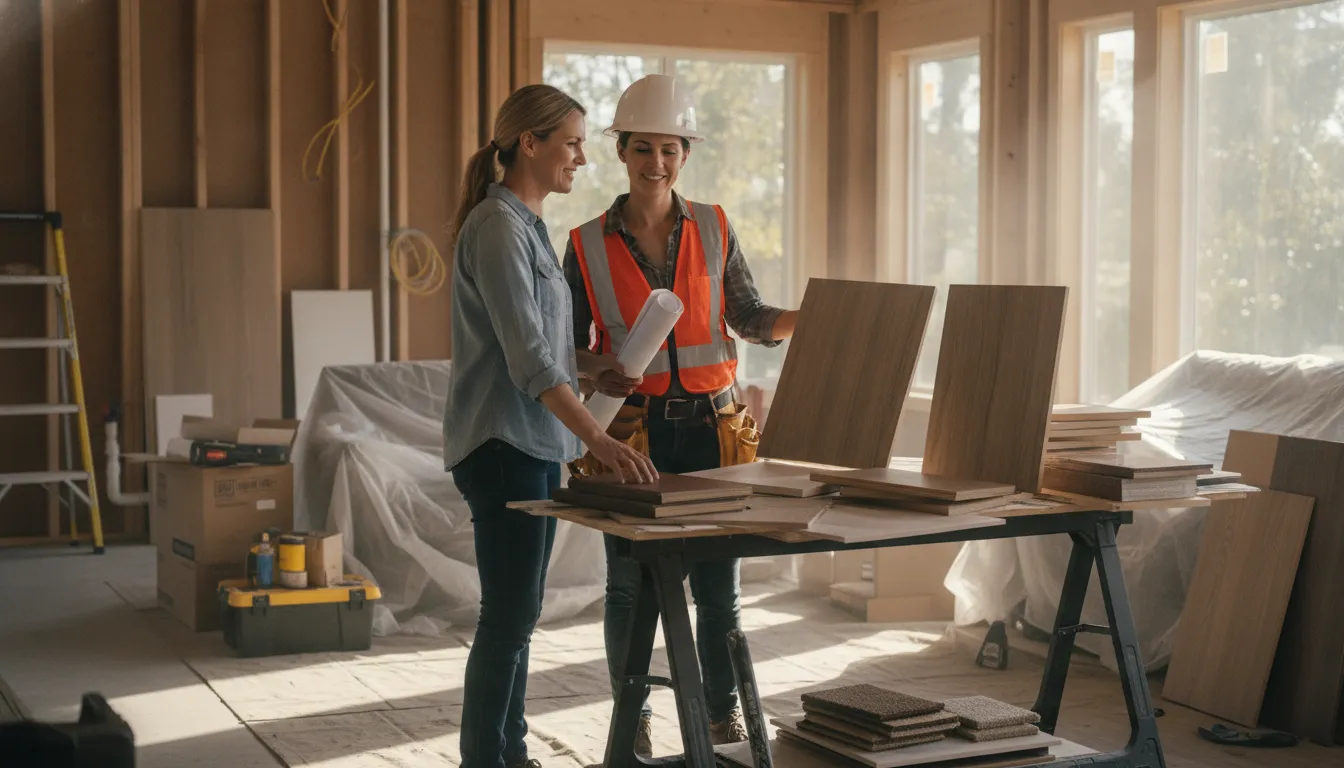
A remodel involves more than construction work. It also requires decisions, deliveries, trade coordination, and clear answers when the plan changes. For homeowners in King and Pierce Counties, having one knowledgeable person guide those moving parts can make the process easier to follow while work is underway.
The main remodeling project manager benefits are clearer communication, coordinated scheduling, better visibility into decisions and scope changes, and one dependable point of contact during construction. A dedicated manager does not eliminate every delay or disruption, but helps keep questions, handoffs, and next steps organized.
At Tubro Construction, the Project Manager serves as the client's primary contact after design and material selections. Superintendents oversee on-site work, and other team members manage logistics such as material orders. Understanding how those responsibilities fit together starts with the role itself.
What Does a Dedicated Project Manager Do on a Remodel?
A dedicated remodeling project manager gives the homeowner one clear point of contact during construction. Instead of deciding which person to call about a schedule question, a scope concern, or an open problem, you can bring the issue to the project manager. That person helps organize the response, communicate the next step, and keep the right team members involved.
This role is especially useful when a remodel includes several trades, material decisions, inspections, and changes to the original plan. The project manager does not personally perform every task. Rather, the PM connects the moving parts and keeps communication moving between the homeowner, field team, office, and trade partners. That coordination is one of the practical remodeling project manager benefits homeowners should look for when comparing contractors.
Scheduling and day-to-day communication
The project manager helps homeowners understand what is scheduled, what decisions are needed, and which questions require follow-up. If a material delivery, trade handoff, or site condition affects the work, the PM communicates the relevant information and helps clarify what happens next. This does not mean every construction variable can be predicted or that a project manager can prevent all disruption. It means the homeowner has a consistent communication channel when conditions change.
At Tubro Construction, logistics coordination remains a distinct responsibility. Rebecca Molnar coordinates material orders and subcontractor scheduling, including communication about material drop-off timing. The project manager can use that information to keep the homeowner informed without suggesting that one person personally manages every delivery or trade calendar.
Scope questions and decision handoffs
Remodeling projects often raise questions once work is underway. A homeowner may need clarification about an existing condition, a requested change, or the effect of a selection on the work. The project manager helps identify the decision, gather the appropriate information, and explain the handoff before the team proceeds. Scope changes should be discussed clearly so the homeowner understands what is being considered and how it fits the project.
Selections support is also separate from project management. Tom Hite guides clients through design and material selections and tracks selections and pricing in detailed spreadsheets. That information gives the project team a clearer record of decisions, while the PM helps connect those decisions to construction communication and next steps.
How the roles work together
The superintendent focuses on the job site, including on-site work, crew coordination, and checks against quality standards. The logistics coordinator focuses on materials and subcontractor scheduling. Selections support focuses on design choices and their documentation. The project manager oversees the homeowner-facing coordination across those functions. Knowing these distinctions makes it easier to ask who owns each question and where a decision belongs.
| Role. | Focus. | Value. |
|---|---|---|
| Project Manager. | Communication and scope questions. | One contact. |
| Superintendent. | Site work and quality checks. | Field oversight. |
| Logistics support. | Materials and trade scheduling. | Sequence updates. |
| Selections support. | Design choices and records. | Clear decisions. |
The Remodeling Project Manager Benefits Homeowners Notice First
A remodel affects more than the rooms under construction. It can change how you enter the house, use your kitchen or bathroom, plan your day, and make decisions about materials and scope. Having one project manager as your primary contact gives those moving parts a clear place to go.
That does not mean one person performs every construction duty. Site superintendents oversee work in the field, logistics staff coordinate materials and subcontractor scheduling, and selection specialists help track design choices. The project manager connects these responsibilities to the homeowner's questions, priorities, and next decisions.
- Scheduling clarity: Instead of contacting individual trades to ask what happens next. You have one person who can explain the current phase, upcoming handoffs, and items that may affect the sequence of work. Construction conditions can still require adjustments, but communication about those adjustments has a defined path.
- More efficient decision cycles: Remodels involve selections, approvals, and occasional scope questions. A project manager can help identify what needs your attention, explain how a decision relates to the work, and carry the response to the appropriate team member. That keeps a small question from becoming a loose end.
- Fewer repeated explanations: Homeowners should not have to retell the same concern to every person who visits the property. A consistent contact can maintain context around your goals, known preferences, and open questions, then direct that information to the team responsible for acting on it.
- Practical relief at home: When you are balancing work, family, and daily routines around a remodel, clear communication reduces the need to coordinate every detail yourself. Updates about materials, site activity, and next steps help you plan without suggesting that disruption can be eliminated.
For a closer look at how contractor expertise and coordination support a smoother remodeling experience, read about professional remodeling project coordination. The goal is not to promise a perfect schedule. It is to give homeowners a reliable communication structure while the project moves from one stage to the next.
How Project Coordination Supports Better Budget Conversations
A remodeling budget is easier to understand when homeowners can connect each decision to the work it affects. Selections, specifications, labor, materials, and requested changes all influence the scope of a project. A dedicated project manager helps keep those conversations organized, so questions do not disappear between a homeowner, designer, supplier, subcontractor, and field team.
Selections create a clearer starting point
Cabinet style, tile, fixtures, paint colors, flooring, and other selections shape the plan before construction is underway. Tubro's process includes design and material selections before each project is assigned a Project Manager. Tom Hite guides clients through selections and tracks selections and pricing in detailed spreadsheets. That record gives the team a shared reference point and helps homeowners see which choices have been made, which still need attention, and where a question belongs.
This does not mean every decision stays unchanged. It means the conversation begins with documented information rather than memory or scattered messages. When a homeowner is considering an alternate material or product, the team can discuss how that choice may affect the scope, ordering, installation, or related work.
Scope changes should be discussed before they become assumptions
Remodeling projects can raise new questions after work begins. A homeowner may want to revisit a finish, add work to a room, or respond to a condition discovered during construction. The Project Manager serves as the client's single point of contact for scheduling, scope changes, problem solving, and communication during construction. That role creates a clear path for raising the request and understanding what needs to be reviewed.
Instead of treating a change as an informal side conversation, the team can document the request. Confirm the details, and explain what is known before the homeowner makes a decision. The Project Manager may also bring the appropriate person into the discussion. Logistics questions can involve material-order and subcontractor scheduling coordination. While field questions may require input from a Project Superintendent who oversees on-site work and checks it against quality standards.
Visibility supports honest decisions
Good coordination does not promise that a project will have no changes. It gives homeowners better visibility when questions arise. Documentation, selection records, communication about material drop-offs, and progress updates help connect the current conversation to the project plan. Tubro emphasizes transparent communication and honest, fair pricing without hidden fees, so the goal is to explain the situation plainly rather than leave homeowners guessing.
Question: Does a project manager personally handle every task on a remodel?
Answer: No. The Project Manager coordinates communication and helps direct questions to the right person. Superintendents oversee site work, logistics staff coordinate orders and scheduling, and other team members support selections and project execution. The benefit is a connected process with a clear homeowner contact, not the expectation that one person performs every function.
How Communication and Site Visibility Reduce Surprises
A remodel involves many moving parts, including selections, material deliveries, subcontractor schedules, inspections, and decisions that can affect the next phase of work. A dedicated Project Manager gives the homeowner one primary point of contact for scheduling, scope changes, problem solving, and communication during construction. That structure does not make every variable disappear, but it makes it easier to identify issues early and understand what happens next.
Regular updates are most useful when they answer practical questions. Homeowners should know which work has been completed, what is planned next, whether a decision is needed, and whether a delivery or trade handoff affects the sequence. Photo updates can add useful visibility, especially when a homeowner is working, traveling, or unable to visit the site during the day. They provide context without requiring the homeowner to coordinate directly with each person working on the project.
What useful project communication includes
- Current progress: A clear description of completed work and the areas that are active.
- Next steps: The upcoming work, decisions, or selections that may require homeowner attention.
- Trade coordination: Communication about how crews, subcontractors, and material deliveries fit into the project sequence.
- Changes and questions: A timely conversation when site conditions, selections, or scope require review.
- Visual updates: Photos that help the homeowner follow progress between site visits.
Communication also depends on clear roles. The Project Manager serves as the client's main contact, while Project Superintendents oversee on-site work, coordinate crews, and check work against quality standards. Logistics coordination may include material orders, subcontractor scheduling, and communication about material drop-off timing. Separating these responsibilities helps information reach the right person without suggesting that one individual personally performs every task.
The homeowner still has an important role. Prompt decisions, documented questions, and early notice of concerns can help the team respond before an issue affects later work. Even with strong coordination, remodeling can involve changing conditions, lead-time concerns, or disruption inside the home. No communication process can promise a perfect project. However, open communication during remodeling gives both sides a practical way to set expectations, discuss tradeoffs, and keep the work moving with fewer avoidable surprises.
Questions to Ask Before Hiring a Remodeling Contractor
Before signing an agreement, ask how the contractor will manage communication and decisions after construction begins. A clear answer can reveal whether the process is organized around your needs or whether you will be left contacting separate trades whenever a question comes up.
Start with the person who will serve as your main contact:
- Who will be my assigned project manager once construction starts?
- What decisions and questions should go through that person?
- How does the project manager work with the superintendent or site supervisor?
- Who handles material orders, subcontractor scheduling, and delivery updates?
These questions help you understand responsibilities without assuming that one person personally performs every task. A dedicated project manager may be your single point of contact for scheduling, scope changes, problem solving, and communication, while a superintendent oversees on-site work and crew coordination. A separate team member may manage selections, orders, or logistics. Knowing those handoffs in advance is one of the practical remodeling project manager benefits homeowners should look for.
Ask how updates and decisions will be handled
Remodeling involves many small decisions, and communication gaps can make the process harder to follow. Ask:
- How often will I receive progress updates, and which method will you use?
- Will you provide photos or other ways to review progress when I am away from home?
- How will you confirm selections, product details, and requested changes?
- Who tracks selections and pricing so the current decisions are easy to review?
Ask the contractor to explain what happens when the scope changes. You should know who documents the request, how its effect on the work is explained, and when you must approve it. No contractor can eliminate every unexpected condition in an existing home, but a defined process supports honest conversations about options, responsibilities, and pricing rather than informal promises.
Clarify coordination and the final walkthrough
Ask how trades will be scheduled and how material delays, access questions, or site concerns will be communicated. Also ask what the final inspection or walkthrough includes. Will someone review completed work with you, document remaining items, and explain what happens next? A contractor should be able to describe the transition from active construction to final review in plain language.
For more detail, review these questions about project oversight before comparing proposals. The right answers will not guarantee a trouble-free remodel. But they can show whether the contractor has a clear communication structure, defined roles, and a process you can realistically follow.
How Tubro Construction Assigns Project Support
A well-defined support process helps homeowners understand who handles each part of a remodel. Tubro Construction serves homeowners in King and Pierce Counties in Western Washington with a documented path from the first conversation through the final inspection and walkthrough. The goal is straightforward: provide transparent communication, upfront pricing with no hidden fees, and clear points of contact throughout the work.
From the first conversation to project assignment
The process begins with initial contact and a free estimate. This early conversation gives the team an opportunity to understand the homeowner's goals, discuss the project scope, and establish the information needed for the next stage. After the estimate, the project moves into design and material selections. Those decisions shape the work ahead, so they are handled as a distinct part of the process rather than left for the construction phase.
Once design and material selections are complete, Tubro assigns one Project Manager as the client's primary point of contact during construction. The Project Manager helps coordinate communication about scheduling, scope changes, questions, and problem solving. This single contact can make it easier for a homeowner to know where to direct a concern without having to track down individual trades. Homeowners can meet the Tubro Construction team to learn more about the people behind the company's customer-focused approach.
Different roles support different needs
An assigned Project Manager is not the only person supporting the work, and the role should not be confused with every other construction responsibility. Project Superintendents oversee on-site work, coordinate crews, and check completed work against quality standards. Their focus is the activity and workmanship at the job site.
Logistics coordination is also handled separately. Rebecca Molnar coordinates material orders and subcontractor scheduling and communicates with clients about material drop-off timing. Tom Hite guides homeowners through selections and tracks selections and pricing in detailed spreadsheets. These specialized responsibilities give the Project Manager accurate information to bring back to the client while allowing each team member to focus on their part of the process.
Execution, visibility, and the final walkthrough
During execution, the team uses these defined roles to keep work moving and communication organized. Tubro also provides photo updates so clients can monitor progress, including when they are away from home. Updates do not remove every uncertainty from a remodel, but they give homeowners useful visibility into current work and upcoming decisions.
After construction, the documented process concludes with a final inspection and walkthrough. This creates a clear opportunity to review the completed work, discuss any remaining questions, and close out the project thoughtfully. For homeowners considering general contracting services in Maple Valley or nearby communities, this structured support model provides a practical foundation for informed communication from estimate through completion.
Frequently Asked Questions
What does a remodeling project manager do?
A remodeling project manager serves as the homeowner's main point of contact during construction. They help coordinate scheduling, communicate scope changes, support problem solving, and keep questions moving to the right person. The role does not mean one person performs every task. On-site superintendents oversee field work and crews, while other team members may coordinate material orders, subcontractor scheduling, or selections.
How does one project manager improve communication during a remodel?
You have a clear starting point for questions about next steps, decisions, scheduling, and changes. That reduces the need to track down individual trades or repeat the same concern to several people. A strong process should also include practical updates, such as photo updates that let homeowners monitor progress when they are away from home.
Does a project manager prevent every delay or cost change?
No. Remodeling involves selections, material availability, site conditions, and decisions that can affect the work. A project manager cannot guarantee a fixed schedule or eliminate disruption, but can help surface changes, explain their effects, and keep budget conversations transparent. Clear communication and documented selections make it easier to understand what is changing and why.
What should I ask about project management before hiring a contractor?
Ask who your primary contact will be, how scheduling and scope changes are handled. Who oversees on-site work, how selections and pricing are tracked, and how updates are delivered. Also ask how the contractor conducts the final inspection and walkthrough. The answers should show a defined process from estimate and selections through execution and project closeout.
Ready to Plan Your Remodel With Clear Communication?
A dedicated project manager can give you a clear point of contact for questions, decisions, scheduling, and next steps throughout your remodel. To discuss your goals and learn how Tubro Construction can help, schedule a free remodeling estimate. This first conversation is an opportunity to share your priorities and understand the process before work begins.
Bring your ideas. We’ll talk through the next step.
Tell us about your home, your project city, and what you would like to change.
Book Your Free Estimate