Remodeling journal
How to Hire a Remodeling Contractor in Western WA
Learn how to hire a remodeling contractor in Western Washington by comparing credentials, bids, communication, project management, and red flags.
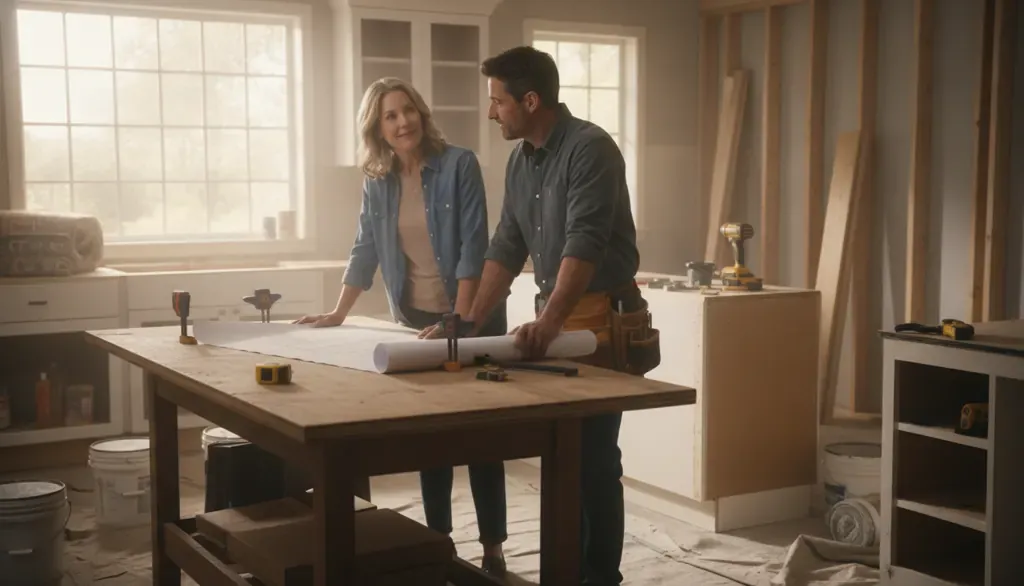
If you are researching how to hire a remodeling contractor in Western Washington, you are probably trying to solve more than a construction problem. You are trying to protect your home, your budget, your schedule, and your day-to-day peace of mind. A contractor can have attractive photos and a persuasive estimate, but the better hiring decision comes from looking closely at how the company communicates, documents the work, manages trades, and handles changes after the project begins.
Planning a remodel in King or Pierce County? Schedule a free estimate with Tubro Construction to discuss your goals, scope, and next steps with a local remodeling team.
This guide gives homeowners a practical way to compare contractors before signing. It covers what to verify, what to ask, how to read an estimate, which warning signs deserve attention, and what a well-managed remodeling process should feel like. The goal is not to choose the cheapest proposal. The goal is to choose a qualified partner whose process is clear enough to support a successful project.
Start with the job you actually need done
Before you contact contractors, write a short project brief. It does not need to be a finished design. It should explain the room or rooms involved, the problems you want to solve, the improvements you are considering, and any constraints that could affect the work.
For example, a bathroom project might include a tub-to-shower conversion, new tile, improved lighting, a layout change, or better storage. A kitchen project might involve cabinets, countertops, flooring, plumbing fixtures, appliances, and lighting. A whole-home renovation may involve several trades, permits, material selections, and decisions that need to be coordinated over a longer period.
Separate your needs from your preferences. A need could be correcting water damage, improving accessibility, or fixing a layout that no longer works for your household. A preference could be a particular countertop material, cabinet style, paint color, or fixture. This distinction helps contractors identify the scope and helps you understand which decisions could change the budget or schedule.
Also note whether you will live in the home during construction, whether there are children or pets to protect, and whether you have a firm deadline. These details affect planning and communication. A contractor who asks about them early is showing that the team is thinking about the project as a lived-in home, not just a set of construction drawings.
Verify licensing, insurance, and local experience
Credentials are the first trust check, not the last. In Washington, homeowners can use the state Department of Labor and Industries resources to verify a contractor, tradesperson, or business. Review the business name, registration details, license status, and any information the state provides about bonding or insurance. Use the official source rather than relying only on a badge, screenshot, or verbal assurance.
You can also review Washington's contractor verification search when checking a company's record. Ask the contractor which legal business name should be used in the search. A mismatch between a brand name and the registered entity is not automatically a problem, but it should be explained before you sign.
Ask for current proof of insurance and ask what types of work the policy covers. The contractor should be able to explain how the company handles damage, injuries, and subcontractor relationships. You do not need to become an insurance expert, but you should not be pressured to accept vague answers.
Local experience matters because remodeling is affected by jurisdiction, permits, inspections, older housing stock, weather, and the practical realities of working in occupied homes. A contractor serving Western Washington should be able to discuss the areas they regularly serve, the kinds of homes they understand, and how they coordinate local requirements. The Washington L&I Hire Smart guide is a useful starting point for additional state guidance.
Do not treat a license as a guarantee of a perfect project. Treat it as one part of a larger review. A strong decision combines verified credentials with relevant experience, a clear written scope, references or reviews, and a communication process you can understand.
Look for experience that matches your project
A contractor may be excellent at one type of work and not the right fit for another. Ask how many projects similar to yours the company has completed recently. If your project involves an older home, structural changes, complicated plumbing, electrical work, custom cabinetry, or several connected rooms, ask how the team has handled comparable coordination.
Review project photos with a critical eye. Look for more than attractive finished rooms. Ask whether the examples show the same type of scope, finish level, and construction challenge that your project will require. A close-up of a backsplash does not tell you how the contractor manages permits, sequencing, protection of the home, or final corrections.
Ask who will be responsible for the work. Some contractors perform most work with an internal team. Others coordinate a network of specialized subcontractors. Neither model is automatically better. The important questions are who selects the trades, who supervises them, how quality is checked, and who resolves problems when more than one trade is involved.
For example, a kitchen remodel may require coordination among demolition, framing, plumbing, electrical, drywall, flooring, cabinetry, countertops, tile, painting, and appliance installation. The company should be able to explain the handoffs without making the process sound effortless or promising that nothing will ever change.
Ask for references that are relevant to your decision. If possible, speak with a homeowner whose project had similar complexity. Ask how the contractor communicated, how changes were documented, whether the job site was respected, and how the team handled the final walkthrough. Those answers often tell you more than a polished portfolio.
Evaluate communication before you sign
Communication is not a soft extra in remodeling. It is part of the construction system. The contractor must communicate about decisions, material availability, sequencing, access, inspections, schedule changes, and any condition that was not visible before demolition. Poor communication turns ordinary project decisions into surprises.
Pay attention to the hiring process itself. Does the contractor arrive prepared? Does the estimator listen before recommending solutions? Are your questions answered directly? Does the company follow up when it says it will? These behaviors are not proof of future performance, but they are useful signals about how the company operates.
Ask how often you should expect updates and who will be your primary contact. You should know whether updates are provided by phone, email, a project management system, photos, meetings, or a combination of methods. You should also know who can answer questions when the main contact is unavailable.
Ask how the company communicates difficult news. A good contractor will not promise that a remodeling project will have no delays or unexpected conditions. Instead, the team should explain how it identifies an issue, what options are available, how the decision affects cost or schedule, and when you need to respond.
Another useful question is how the contractor protects your home. Ask about dust control, access, daily cleanup, material storage, pets, security, and the areas that will remain usable. A company that treats these details as part of planning is more likely to respect your home during the work.
For a broader list of contract-stage questions, review what to ask a general contractor before signing. That article can serve as a companion checklist. This guide focuses on the earlier decision, which is how to judge the contractor's overall process before you reach the contract.
Understand what a dedicated project manager does
One of the most important questions to ask is, "Who manages the project after I hire you?" The answer should be specific. A project manager may coordinate the schedule, communicate with the homeowner, track decisions, manage scope changes, coordinate subcontractors, and help resolve issues. The exact responsibilities vary by company, so ask what the role includes in practice.
A dedicated project manager gives you a clear route for questions. It also creates accountability for connecting the estimating, design, materials, field work, and final walkthrough. Without a defined owner for coordination, homeowners can find themselves repeating the same information to several people or trying to decide which trade should solve a problem.
Ask how the project manager works with the superintendent or site lead. The person handling the schedule and homeowner communication may not be the same person supervising daily field work. A well-organized company will explain how those roles connect and how information moves from the job site to you.
Ask how material selections are recorded. A remodel can include dozens of decisions, including cabinet details, fixtures, tile, paint, hardware, appliances, and trim. Written selections reduce confusion and help the contractor order the correct materials. If selections are made verbally or scattered across text messages, errors become harder to catch.
Ask how the company handles progress when you are away from home. Some homeowners need regular photo updates or remote meetings. Others prefer scheduled site visits. The best approach depends on the project and your preferences, but it should be discussed before work begins.
Tubro Construction describes an assigned Project Manager model, upfront pricing, free estimates, and customer-focused project coordination. You can learn more about the company's team and process on the Tubro Construction team page. When comparing any contractor, look for a process that is explained in concrete terms rather than a general promise to keep you informed.
Compare estimates by scope, not just by total
A lower estimate is not automatically a better value, and a higher estimate is not automatically more complete. Compare what each proposal includes and excludes. The total is only useful when you know the assumptions behind it.
A useful estimate should identify the project areas, major tasks, materials or allowances, labor, expected sequencing, cleanup responsibilities, and any known exclusions. It should clarify whether permits, design work, disposal, delivery, finish work, and final corrections are included. If something is not known yet, the proposal should say so instead of hiding the uncertainty.
Watch for vague phrases such as "standard materials" or "complete installation" when the details matter. Ask what standard means for your project. Ask which fixtures, finishes, appliances, or construction methods are assumed. If you plan to select something different, ask how the change will be priced.
Ask whether the contractor uses allowances. An allowance can be a reasonable way to account for a selection that has not been made, but a low allowance can make an estimate look more attractive than the eventual cost. You should know which items use allowances, how they are adjusted, and whether installation or related work changes when the selection changes.
Ask how payments are scheduled and what documentation accompanies each payment. The agreement should make the payment process understandable and should comply with applicable requirements. If a contractor pressures you to make a large payment before providing a clear written scope, treat that as a reason to slow down and ask questions.
For a remodeling company that emphasizes upfront pricing, the important test is whether the written proposal makes the scope understandable. Tubro Construction states that estimates are provided before work begins and that the company emphasizes no hidden fees. You should still read the proposal carefully, because transparency works best when both sides agree on what is included.
Ask how change orders are handled
Most remodeling projects require some decisions after the work starts. A wall may reveal an old condition, a selected material may become unavailable, or a homeowner may decide to change a finish. A change is not automatically a contractor failure. The risk comes from making changes without a clear record of what is changing and why.
Ask whether changes are documented in writing before the related work proceeds. The document should describe the change, the effect on price, the effect on schedule, and any effect on other work. Ask who approves the change and how you receive a copy for your records.
Ask what happens when the contractor discovers a condition that was not visible during the estimate. The company should explain how the issue is investigated, what options are available, and how the recommendation is priced. Be cautious if the answer is simply, "We will figure it out as we go," with no process for decisions.
Ask whether verbal approvals are accepted and how they are confirmed. Even when everyone is acting in good faith, verbal instructions can be remembered differently. Written confirmation protects the homeowner and the contractor by keeping the scope aligned.
Do not expect a contractor to guarantee that a remodel will never change. Expect the contractor to have a fair, understandable system for managing change.
Want a clearer starting point for your own project? Contact Tubro Construction with your room, goals, and questions. A conversation about scope can help you understand which decisions need to be made before an estimate.
Watch for red flags during the hiring process
One warning sign does not always tell the whole story, but several together deserve attention. Slow down when a contractor:
- Refuses to provide a clear legal business name or information needed for credential verification.
- Uses pressure, urgency, or a limited-time offer to discourage comparison.
- Provides a very low estimate without explaining what is excluded or assumed.
- Promises an exact completion date before seeing the project or discussing permits and materials.
- Cannot identify who will manage the project or who will answer questions.
- Suggests that written changes are unnecessary because everything can be handled informally.
- Requests a payment before you understand the written scope and payment terms.
- Dismisses questions about insurance, subcontractors, cleanup, access, or warranty support.
- Shows only generic photos and cannot discuss work similar to your project.
- Speaks negatively about every previous client instead of explaining how disagreements were resolved.
Be careful with the opposite mistake as well. A contractor who asks detailed questions, identifies unknowns, and explains tradeoffs may provide a more realistic proposal than a contractor who gives you a fast number. Clarity can feel slower at the beginning, but it reduces avoidable confusion later.
Know what to expect from the estimate appointment
A good estimate appointment is a two-way evaluation. The contractor is learning about the project, and you are learning about the company's process. Prepare a short list of priorities, questions, reference images, and concerns. If you have drawings, inspection information, or product ideas, share them, but do not worry if the project is still taking shape.
During the appointment, walk through the areas that will be affected. Point out known problems, previous repairs, water issues, electrical concerns, access limitations, and spaces that must remain usable. Explain how you want the home to function after the remodel, not only how you want it to look.
Ask the estimator to distinguish between confirmed information and assumptions. A site visit may identify a likely solution without confirming every condition behind a wall or under a floor. You should know what will require further investigation, design work, engineering, permitting, or a decision about materials.
Ask what happens after the appointment. When should you expect the written estimate? Who will answer follow-up questions? What decisions are needed before the company can provide a more detailed proposal? What is the next step if you want to proceed?
The estimate is also a useful test of organization. A proposal that is easy to follow gives you a foundation for comparison. A proposal that leaves you guessing about scope, materials, allowances, or responsibilities should be clarified before you compare totals.
Match the contractor to your location and project type
Western Washington is not one uniform market. A contractor may serve King County and Pierce County but focus on certain communities, project sizes, or service lines. Confirm that the company regularly works in your area and that your project fits its capabilities.
Tubro Construction serves homeowners across King and Pierce Counties, including communities such as Maple Valley, Ravensdale, Black Diamond, Bonney Lake, Snoqualmie, North Bend, Auburn, Bellevue, Kent, Enumclaw, Renton, Issaquah, Fairwood, Newcastle, Sammamish, Covington, Buckley, Sumner, Tacoma, and Federal Way. The right fit still depends on the actual scope and the team's current ability to take on the work.
Ask whether the contractor handles the kind of project you are planning. A company that is strong in kitchen and bathroom remodeling may also handle painting, decks, drywall, outdoor living, or broader general contracting, but you should confirm which services are included in your proposal. If the project combines several types of work, ask who coordinates the complete sequence.
For projects in an older home, ask how the contractor approaches discovery and documentation. For projects with major layout changes, ask how design decisions and permits are coordinated. For an exterior project, ask how weather and site access affect planning. Local experience should show up in specific answers, not just in a list of nearby cities.
Build a simple contractor comparison scorecard
After the estimate meetings, compare contractors using the same categories. A simple scorecard can keep a persuasive presentation or a single low number from dominating the decision.
| Category | What to compare |
|---|---|
| Credentials | License verification, insurance information, legal business identity, and relevant local experience. |
| Scope | Specific work included, exclusions, allowances, materials, cleanup, permits, and final corrections. |
| Communication | Primary contact, update frequency, response process, documentation, and how difficult news is handled. |
| Project management | Who coordinates the schedule, trades, selections, change orders, and homeowner decisions. |
| Fit | Experience with your home, project type, location, access needs, and desired level of involvement. |
| Value | What the proposal provides for the total, not merely which number is lowest. |
Write down the answers while they are fresh. If one proposal is difficult to compare, ask the contractor to clarify it. A contractor who welcomes reasonable questions is giving you more useful information than one who treats questions as an obstacle.
Why Tubro Construction may be a fit for Western Washington homeowners
Tubro Construction is a veteran-owned residential remodeling and general contracting company serving King and Pierce Counties in Western Washington. The company identifies Rich Tietjen as its owner and describes a customer-focused approach built around craftsmanship, communication, upfront pricing, and personalized service.
The company describes a process that begins with a free estimate, continues through design and material selections, and assigns a Project Manager to coordinate the project. Its service mix includes kitchen and bathroom remodeling, interior and exterior painting, custom home services, general contracting, decks, drywall, roof trusses, turnkey construction, and interior fit-outs.
That model may be a fit for homeowners who want a single team to help coordinate a multi-trade remodel and who value a clear point of contact. It is still appropriate to ask detailed questions, review the written proposal, and compare the fit against your own goals. A trustworthy contractor should make it easier for you to make an informed choice, even when you are comparing several companies.
You can review the company's general contracting services, kitchen remodeling services, and bathroom remodeling services before an estimate. These pages can help you identify the questions and service details you want to discuss.
Have questions about your remodeling project? Schedule a free estimate with Tubro Construction to talk through your goals, scope, and project fit before you make a hiring decision.
Questions to answer before you hire
How many contractors should I compare?
There is no universal number. Compare enough qualified contractors to understand the range of approaches and proposals, but focus on meaningful comparisons rather than collecting as many estimates as possible. Three well-matched companies can be more useful than a long list of contractors who do not handle your project type.
Should I choose the lowest remodeling estimate?
Not without comparing scope. A low total may reflect exclusions, allowances, missing project coordination, or assumptions that do not match your goals. Ask each contractor to explain what is included and then compare the complete proposals.
What is the most important contractor trust signal?
Trust is built from several signals working together: verifiable credentials, relevant experience, a detailed scope, clear communication, a defined project manager, written change-order procedures, and references or reviews that describe the process. No single badge replaces that full review.
What should I do if a contractor will not answer my questions?
Ask once more in a clear written message so the question and response are documented. If the answer remains vague or dismissive, treat that as useful information about the fit. Remodeling decisions become more complex after the contract, so the hiring stage is the right time to require clarity.
Make the decision based on clarity and fit
Hiring a remodeling contractor is not only a comparison of portfolios or prices. It is a decision about who will manage a complicated process inside your home. Look for a company that can explain its credentials, relevant experience, project-management model, estimate assumptions, communication routine, change-order process, and approach to protecting your space.
In Western Washington, local knowledge and responsive coordination matter because projects must account for the home, the jurisdiction, the materials, the trades, and the people living through the work. A thoughtful contractor will not pretend that every project is predictable. The contractor will show you how the team plans, communicates, documents decisions, and responds when conditions change.
Ready to discuss your remodeling goals? Request a free estimate from Tubro Construction for your King or Pierce County home. Bring your questions, priorities, and concerns so the first conversation can focus on whether the project and the process are a good fit.
Bring your ideas. We’ll talk through the next step.
Tell us about your home, your project city, and what you would like to change.
Book Your Free Estimate